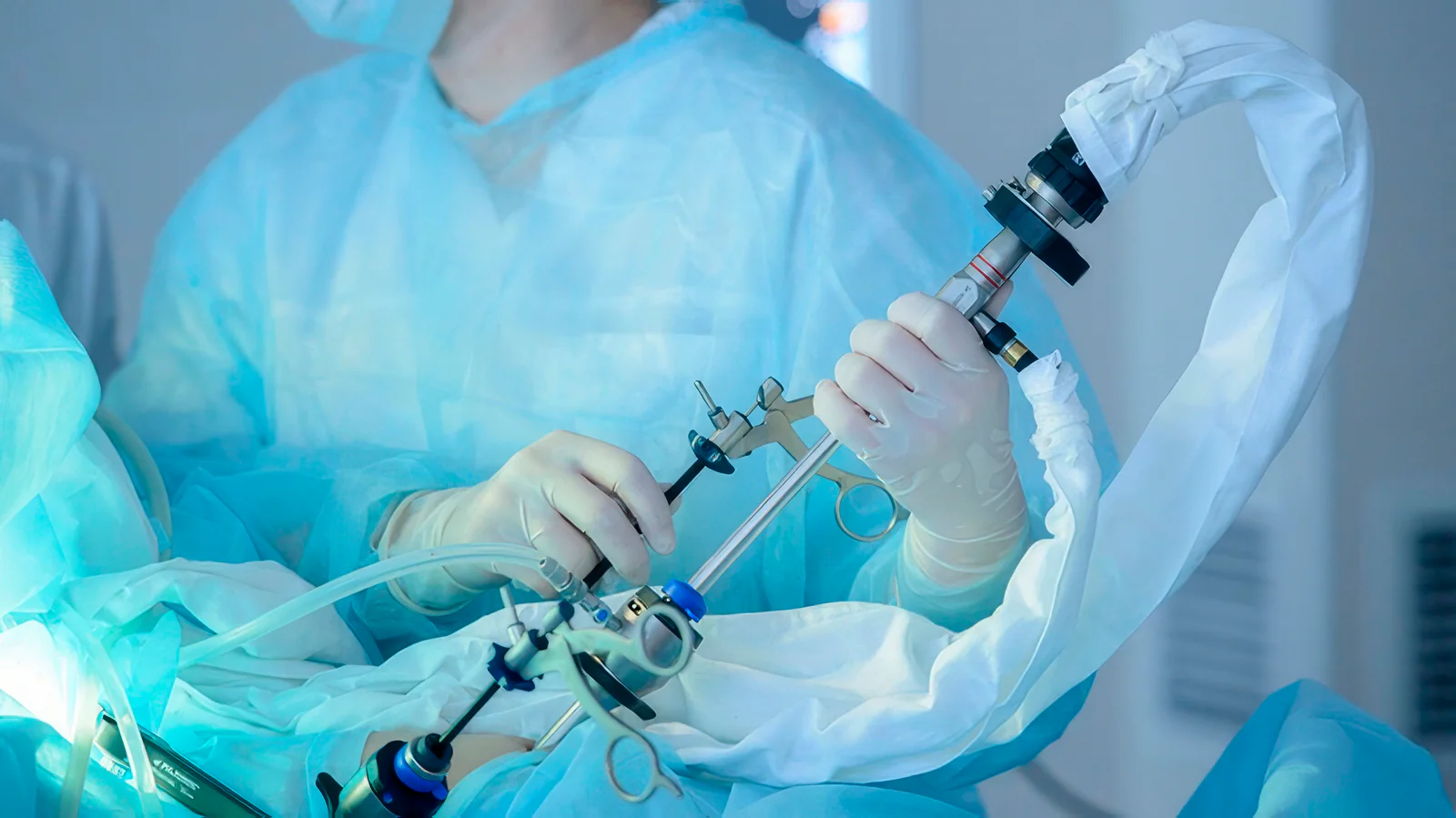
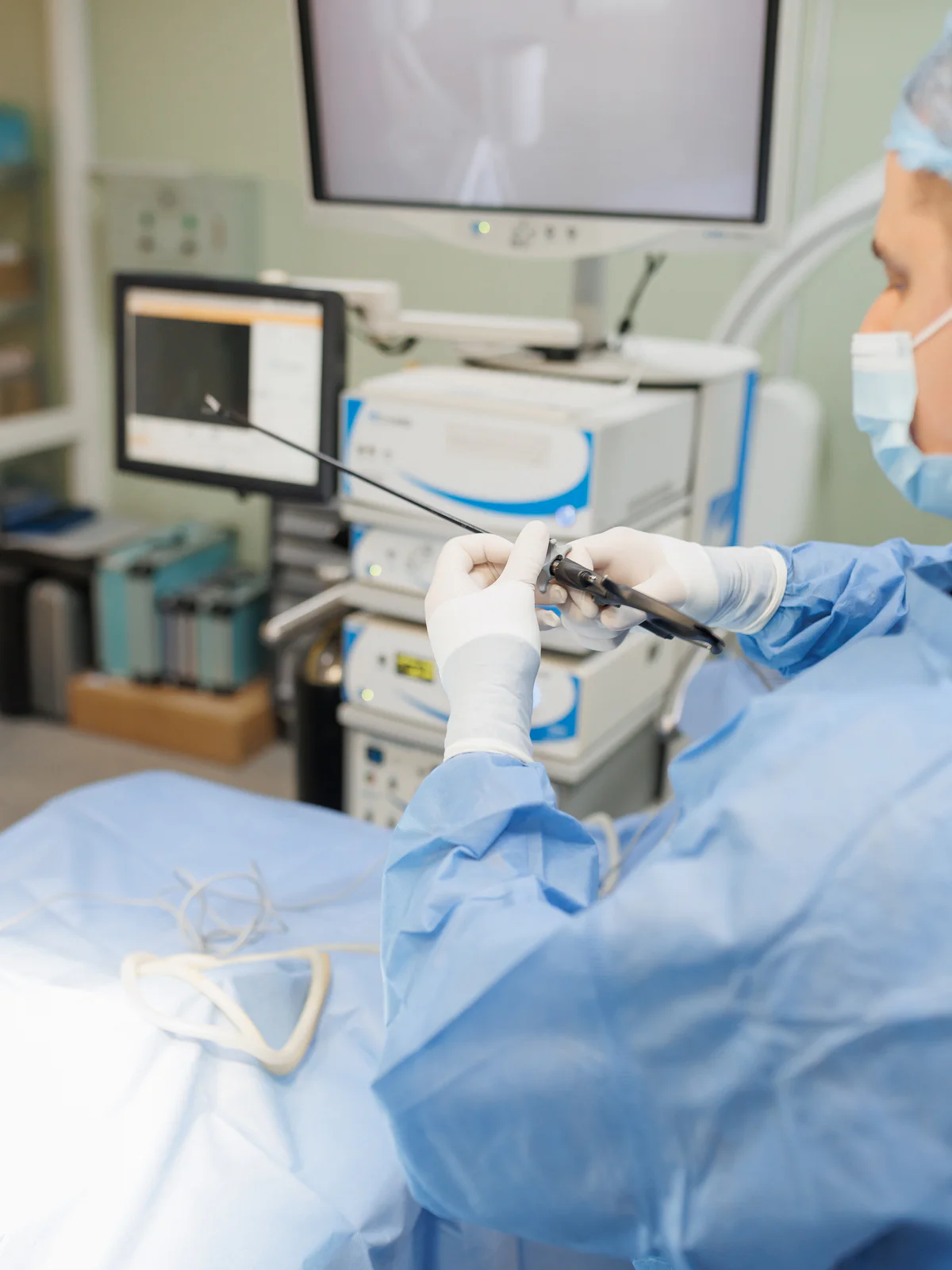
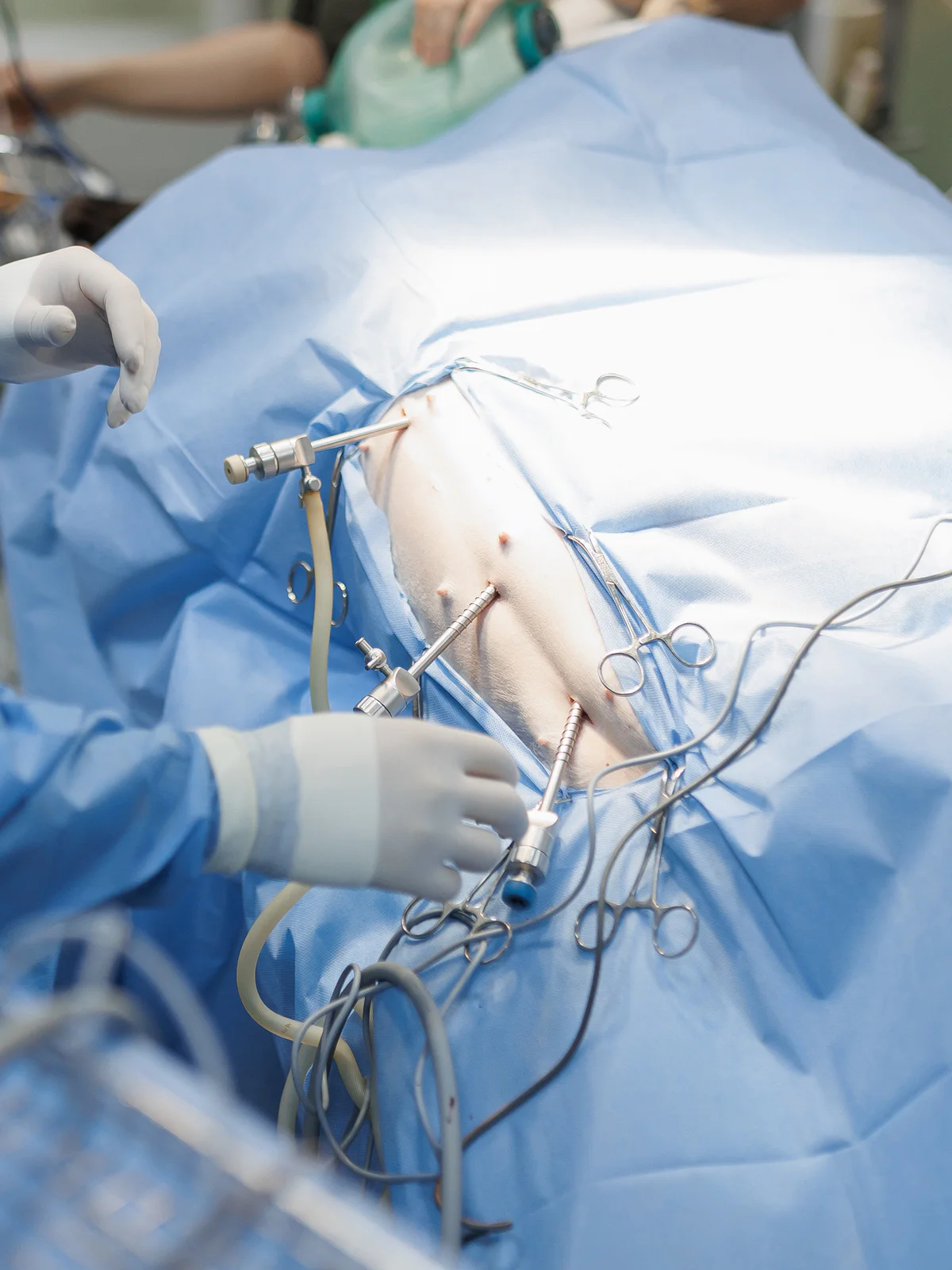
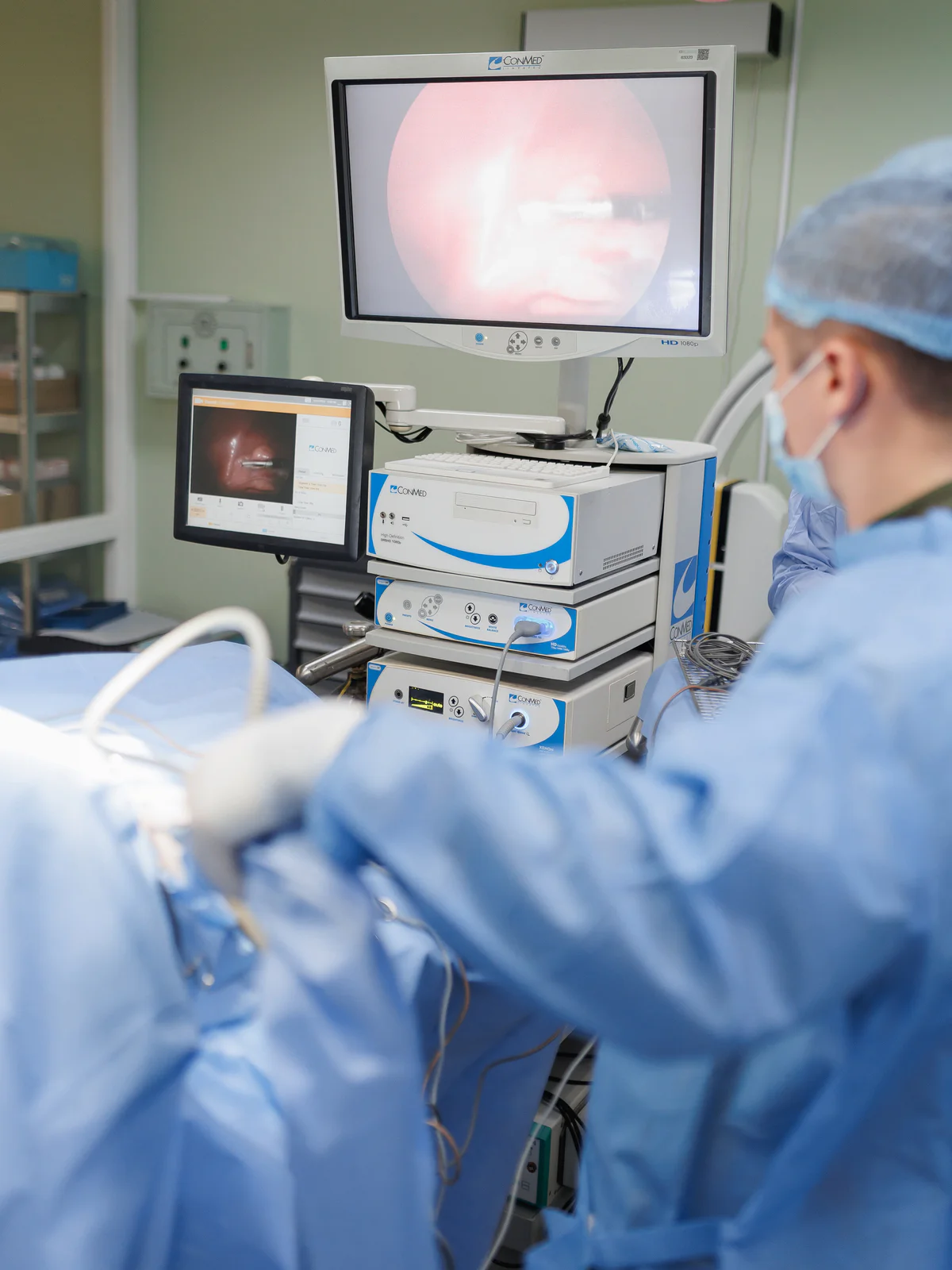
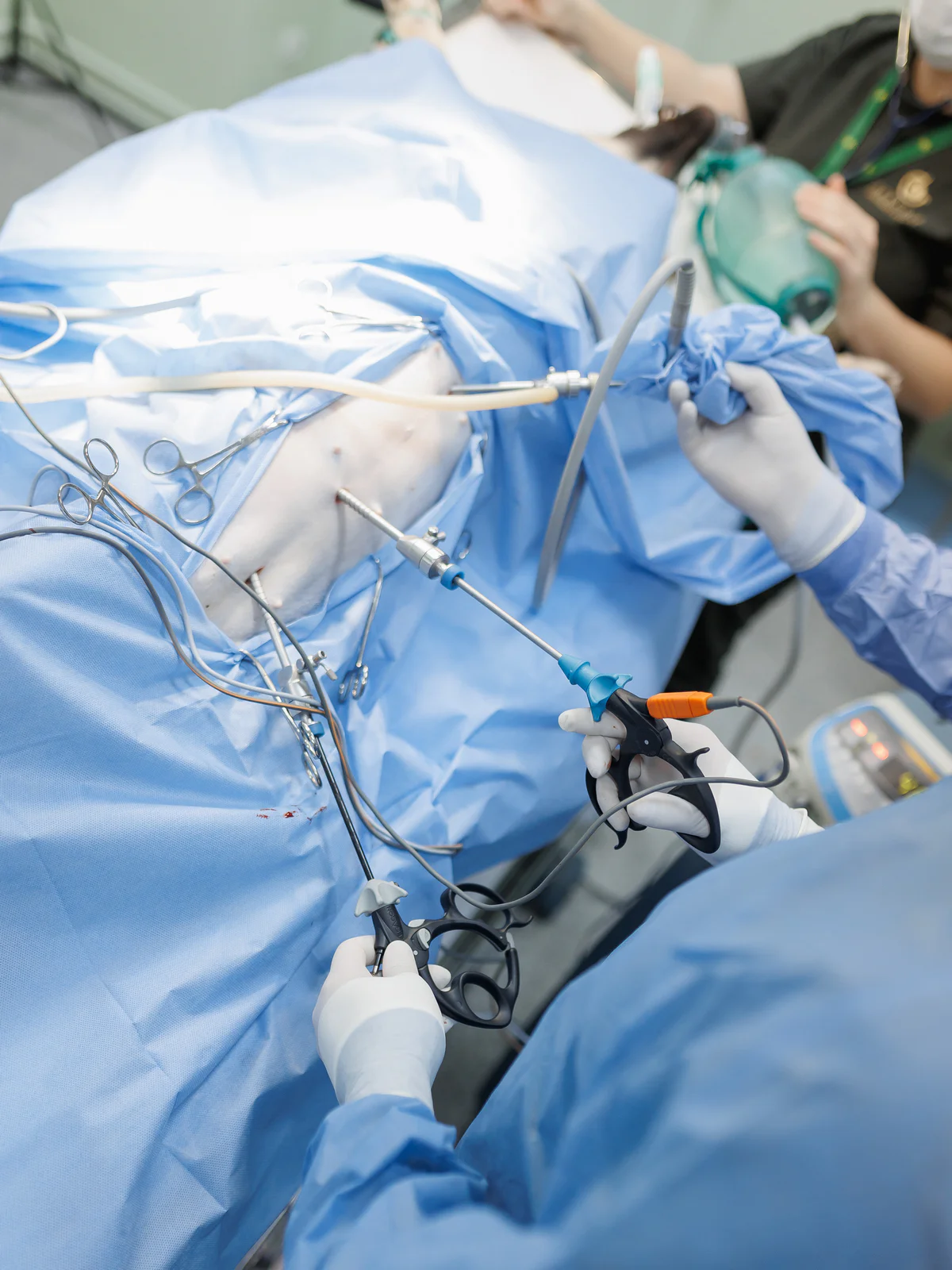
Endoscopy for animals is also particularly useful in cases of suspected foreign bodies, diseases of the stomach, esophagus, intestine, respiratory tract, or urinary system. Why is this important? Because sometimes the procedure allows not only to see the problem, but also to solve it immediately, without additional trauma to the patient.
How to prepare an animal for a laparoscopy or endoscopic procedure
Preparation depends on the type of intervention. If laparoscopy for animals or endoscopic diagnostics of the gastrointestinal tract is planned, the doctor usually specifies the fasting regime, access to water and a list of preliminary tests. That is why preparation for laparoscopy and endoscopy of an animal is always discussed individually, and not according to a universal scheme.
Before your visit, it is important to report any symptoms you are experiencing: vomiting, coughing, difficulty swallowing, suspected foreign body, urinary problems, or a pre-existing diagnosis. This helps Trinity Clinic in Kyiv determine more quickly which method will be most appropriate and safe.
Recovery after endosurgery: what to expect in the first few days
One of the main reasons why veterinary endoscopic surgery is developing so actively is a more comfortable recovery. After minimally invasive procedures, pain is usually less, the animal returns to activity faster, and the recovery period is shorter. animal hospitalization reduces stress for both the patient and the owner. This does not mean that supervision is not needed, but the journey after surgery is often smoother.
In the first days, we explain what to pay attention to at home: appetite, activity, reaction to touch, condition after sleep, features of stitches or punctures, if any. It is this kind of care after endoscopic surgery that helps the animal not to miss important details and go through the recovery period more confidently.
Endoscopic diagnostics and Surgery: when the procedure allows you to see and treat at the same time
One of the strengths of this approach is that animal endoscopy often combines diagnosis and intervention in a single procedure. For example, if there is a foreign body in the stomach of a dog or cat, the doctor can not only confirm its presence, but also perform endoscopic removal of the foreign body from the animal without open surgery.
Gastroscopy and colonoscopy for animals, esophageal endoscopy or bronchoscopy work in the same way. The doctor sees the mucous membranes in real time, can take a biopsy, assess the degree of changes and immediately determine further tactics. That is why accurate diagnostic control during an operation or procedure is not a theory, but a real advantage.
Laparoscopy, Thoracoscopy, Gastroscopy, Cystoscopy: how to choose the method in a specific case
When an owner hears complex names for procedures, a natural question arises: what exactly does my pet need? If we are talking about abdominal surgery, sterilization, organ biopsy, or individual surgical tasks, the most appropriate is laparoscopy for animals. If you need to assess thoracic pathology, perform a lung biopsy on an animal, or solve other problems in this area, choose thoracoscopy for animals.
Gastroscopy, colonoscopy, or other endoscopic methods are more often used for the gastrointestinal tract, and for problems with the bladder and urethra - cystoscopy for animals or urethroscopy for animals. That is, the method is determined not by the name of the service, but by a specific clinical task, and that is why before the procedure the doctor always explains why this particular path was chosen.
Advantages of endosurgery at the Trinity Veterinary Hospital in Kyiv
At the Trinity Clinic in Kyiv, endosurgery for animals combines modern equipment, surgeons' experience, and thoughtful anesthetic support. For us, it is important not only to perform the intervention technically correctly, but also to guide the patient through the entire process with maximum care. That is why full anesthetic monitoring of the animal and precise control during the procedure are the standard, not the exception.
Another important advantage is a logical and clear route for the owner. We explain when a minimally invasive surgery is really necessary for the animal, why this approach will be better in a particular case and what to expect after the intervention. This approach allows for a calmer treatment and more informed decisions.
How to book an endoscopic surgery consultation at Trinity
To get a consultation with an endosurgeon for animals, it is enough to briefly describe the problem: what are the current symptoms, whether previous examinations have been performed, whether there is a suspicion of a foreign body, neoplasm or the need for minimally invasive intervention. This will help you understand more quickly whether your animal needs an appointment for laparoscopy, an endoscopic procedure or an initial examination with additional diagnostics.
If you are interested in the cost of endoscopic surgery for animals, the price of laparoscopy or endoscopy, please clarify the details with the administrator. At the Trinity clinic in Kyiv, we organize the application so that endoscopy for animals and minimally invasive treatment are understandable, timely and as comfortable as possible for your pet.