How to prepare an animal for a cardiology appointment: what is important for the owner to know
A cardiological appointment becomes much more useful when the owner comes prepared. It is worth remembering when the first symptoms appeared: was the dog or cat short of breath, did you notice the dog coughing, episodes of weakness, fainting or unwillingness to move. If the animal has already been examined, take previous conclusions, test results, medication data and old photographs.
It is better not to overload the patient physically before the visit. For cats, a comfortable carrier is important, for dogs - a calm journey without unnecessary stress. At the Trinity clinic in Kyiv, we evaluate not only the results of the tests, but also the entire history of the disease, so even small details can affect further tactics.
ECG and Holter: which study is needed in your case?
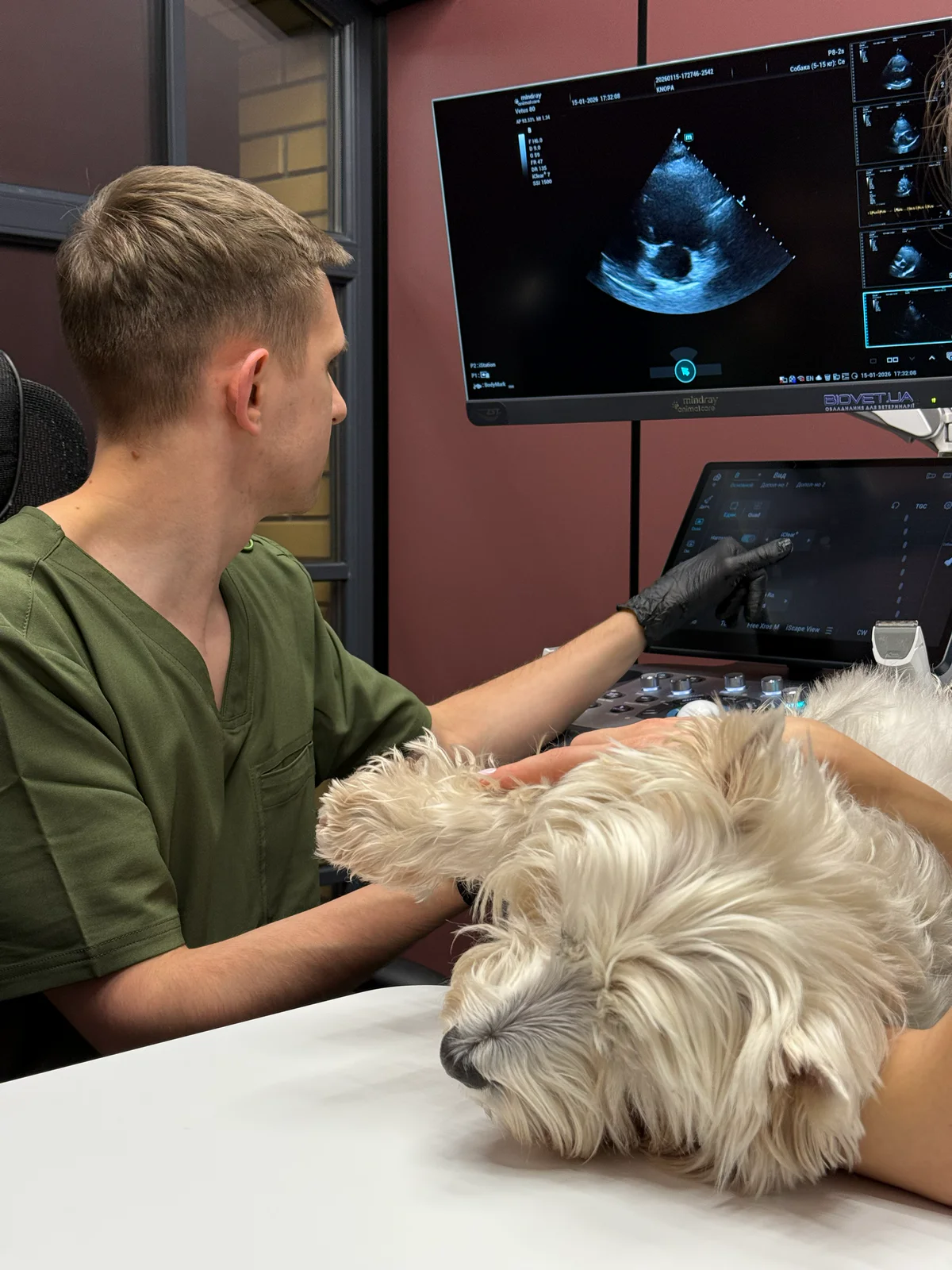
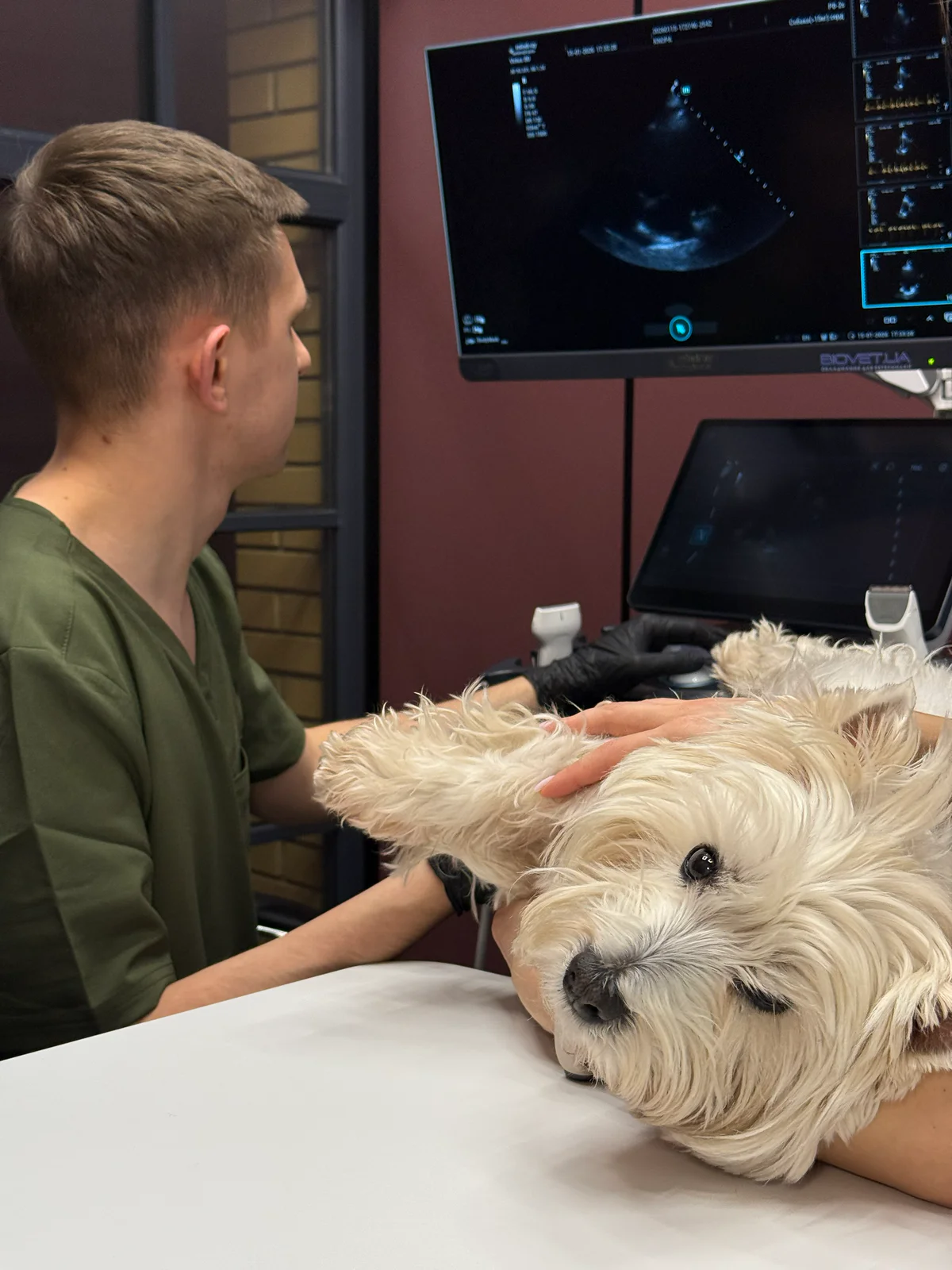
Not every patient needs all of the methods at once. Animal echocardiography and cardiac ultrasound help evaluate the valves, heart walls, chambers, and blood flow. This is the most important test when there is a suspicion of congenital defects, heart failure in a dog or cat, changes in heart size, or impaired pumping function.
An ECG for animals is more informative when it is necessary to assess the rhythm, heart rate and conductivity. If the disturbances do not occur constantly, but episodically, the doctor may recommend Holter monitoring of animals. That is why the choice of method depends not on the pattern, but on the symptoms, age, breed and what we want to confirm or exclude.
Preoperative cardiac examination: when is it mandatory and what does it show?
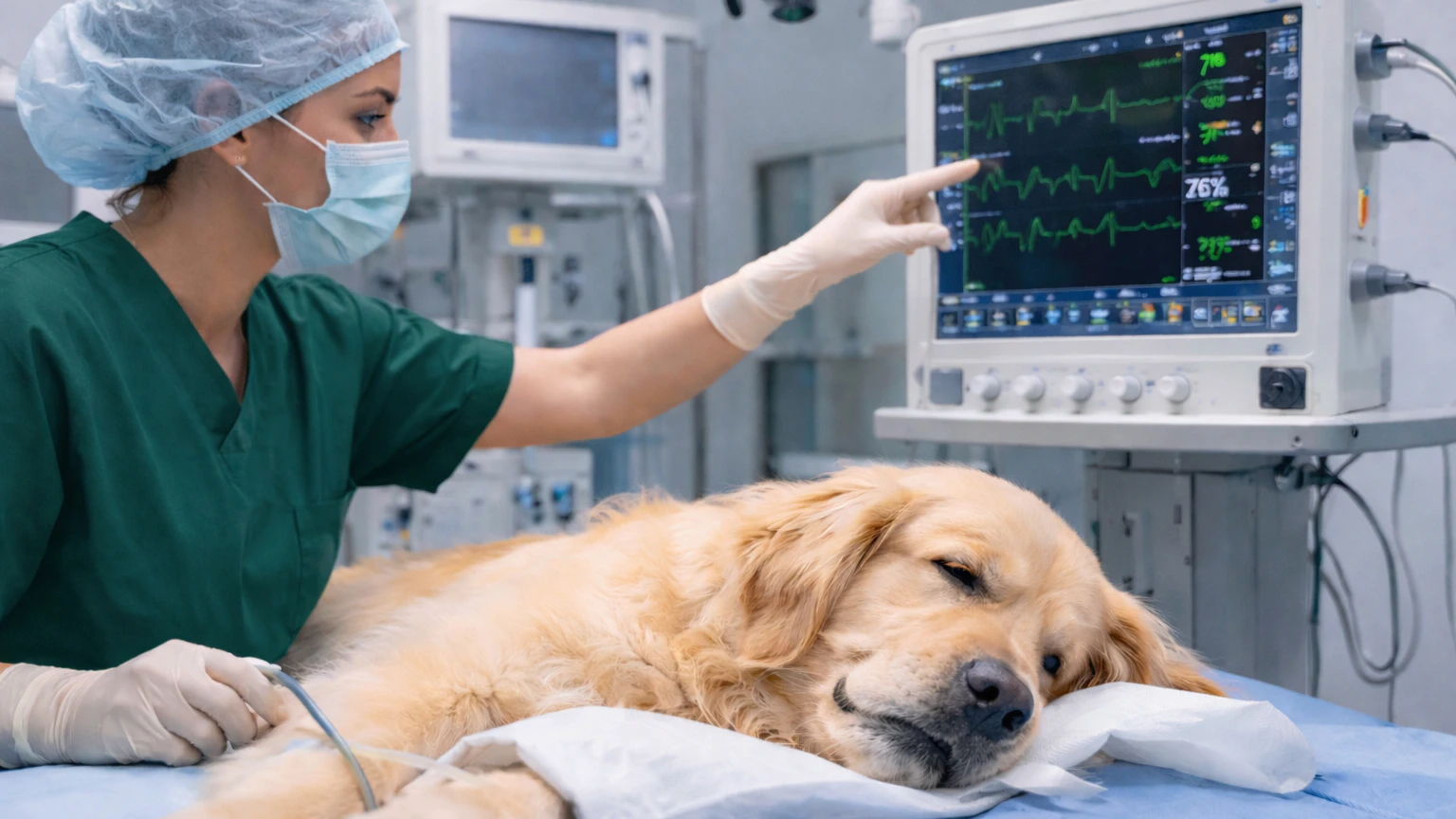
Preoperative cardiac examination of the animal is especially important for elderly patients, animals with heart murmurs, shortness of breath, fainting, or previously detected changes on ECG or ultrasound. Before the intervention, the doctor assesses how ready the heart is to withstand anesthesia, what risks may arise, and how to properly prepare the patient.
This control is not necessary for formality, but for safety. If there are cardiac risks, the team agrees on a plan in advance with the anesthesiologist and surgeon. This is how the cardiologist before the operation helps to make the treatment more predictable and the recovery more calm.
Treatment of heart failure, arrhythmias and hypertension: how a therapy plan is formed
Treatment of heart disease in animals is not limited to one pill. When heart failure in a dog, arrhythmia in a cat, or hypertension is detected, a plan is drawn up in stages: we assess the severity of the changes, the associated risks, the body's reaction, and only then do we select the therapy. Some need blood pressure control, some need heart muscle support, and some need a combination of several drugs and monitoring over time.
It is also important that treatment is not static. The body changes, and the regimen can also be adjusted. That is why drug therapy for heart failure is always accompanied by repeated examinations, assessment of symptoms and control of studies, and does not work on the principle of "prescribed once and for all.".
Control in dynamics: why heart disease requires regular monitoring
Heart pathologies often develop slowly, but this is precisely where their complexity lies. Today the animal feels almost normal, and after a few weeks shortness of breath, edema or severe fatigue appear. Cardiological monitoring of the animal allows you to track such changes before they become critical.
Monitoring the animal's cardiac activity is also important for those who are already receiving treatment. Repeated ECG, EchoCG, blood pressure measurements or laboratory tests help to understand whether the chosen tactics are working, whether the dosage needs to be changed and whether new risks have appeared. It is regularity that allows not only to treat, but also to keep the condition under control.
Preventive cardiac examinations for older animals and at-risk breeds
Don't wait for symptoms if your pet is at risk. Dog breeds prone to heart disease and older patients need closer monitoring, even when everything looks normal. That's why a routine heart check can detect changes in your pet's heart before they are apparent in their behavior or activity.
For such patients, a cardiology appointment is not a reason to panic, but a normal part of care. At Trinity Veterinary Hospital, we help owners understand what and when to check so that heart disease prevention in animals is real, and not postponed "for later.".
How to make an appointment with a cardiologist at Trinity: consultation and organizational details
To get an appointment with a veterinary cardiologist, it is enough to briefly describe the symptoms and clarify what examinations have already been performed. This will help to understand whether an initial consultation with a cardiologist, a follow-up examination, an ECG, an ultrasound of the animal's heart, or a comprehensive assessment of the condition is required.
If you are interested in the cost of a cardiologist, the price of a heart ultrasound or how much an ECG costs, please check with the administrator for details. We will organize an appointment so that veterinary cardiology at Trinity is understandable, calm and as beneficial as possible for your pet's health.