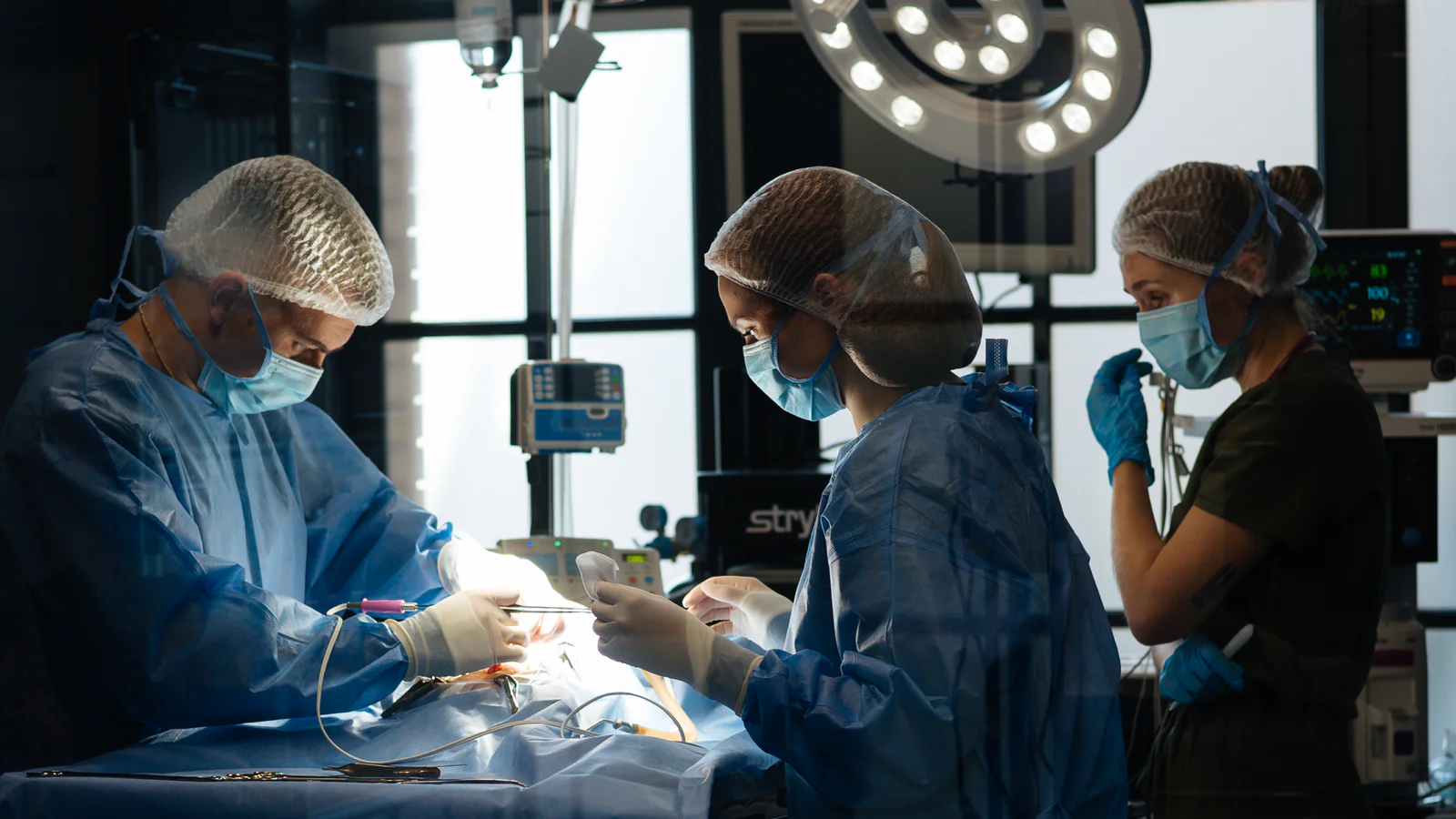
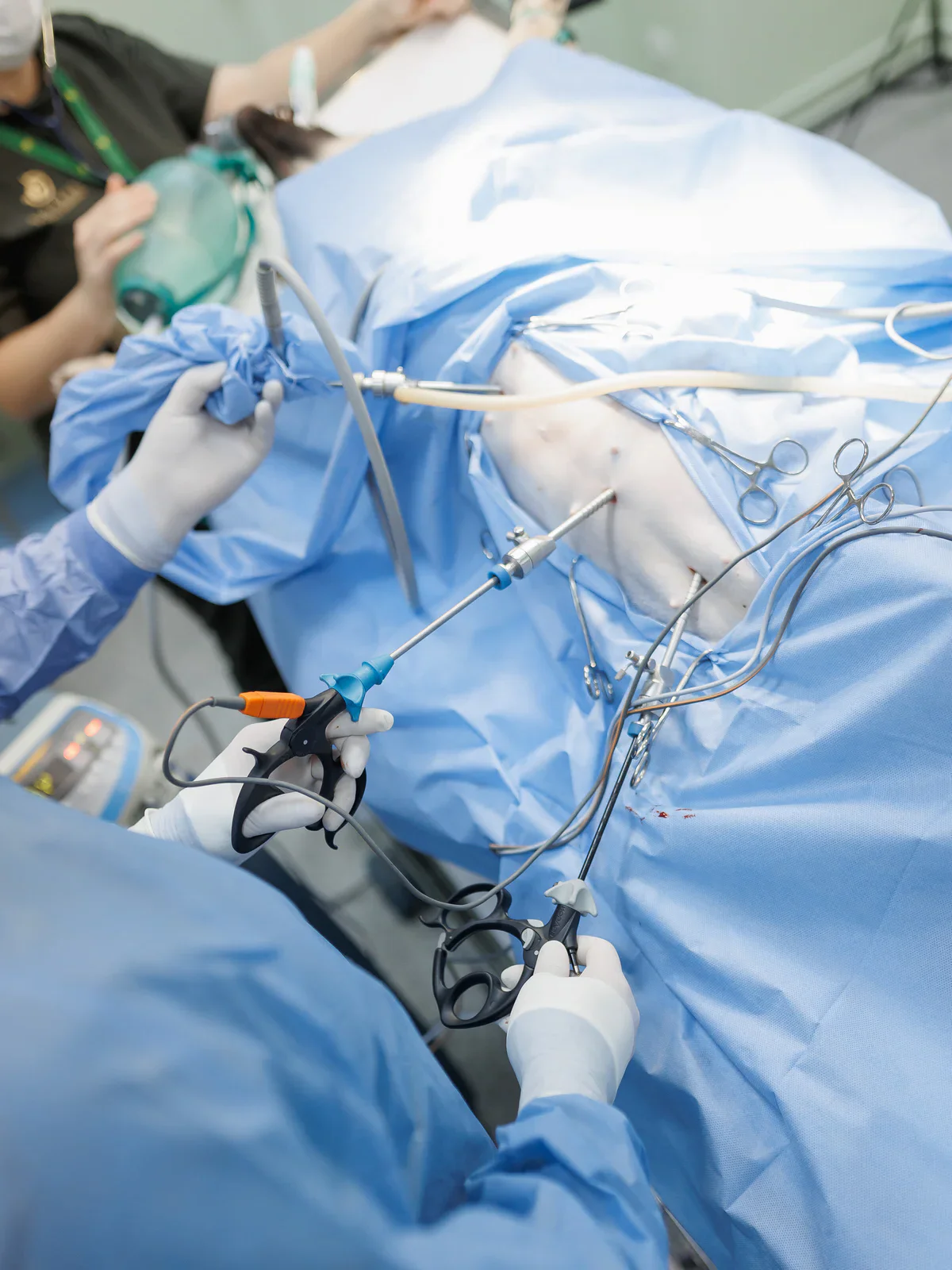
Team approach: interaction of surgeons, cardiologists, urologists, gastroenterologists and anesthesiologists
Our surgeons work closely with cardiologists, urologists, gastroenterologists, and anesthesiologists, ensuring a comprehensive approach and precision in each case. It is this teamwork that allows us to select the optimal treatment route even for complex patients.
When interventional surgery is particularly appropriate: indications for minimally invasive intervention
Not every clinical situation requires major open surgery. That is why minimally invasive surgeries for animals are especially appropriate when it is important to simultaneously gain access to the problem area, minimize tissue trauma, and shorten the postoperative period. This applies to foreign bodies in the gastrointestinal tract, certain urological obstructions, biopsies, diagnosis of cavities, local neoplasms, and some cardiac manipulations.
In such cases interventional treatment of animals gives the doctor more control and the patient a gentler path through the procedure. Does this mean that everything can be treated this way? No. But in the right case, this approach really reduces the burden on the body.
How to prepare an animal for an interventional procedure: what is important for the owner to know
Preparation depends on the type of intervention. If planned endoscopy, laparoscopy for animals or catheter procedure, the doctor explains in advance the fasting regimen, the scope of preliminary tests, and whether additional examinations are needed. For the owner, this is no less important than the date of the intervention itself, because proper preparation affects the safety and accuracy of the procedure.
Before the visit, it is worth informing about the current symptoms, whether there have been previous surgeries, what medications the animal is already taking, and whether there are any results. Ultrasound, X-ray, CT or other examinations. At the Trinity clinic in Kyiv, this helps to quickly understand which method will be optimal.
Endoscopy, Laparoscopy or Catheter Technology: How to Choose the Method in a Specific Case
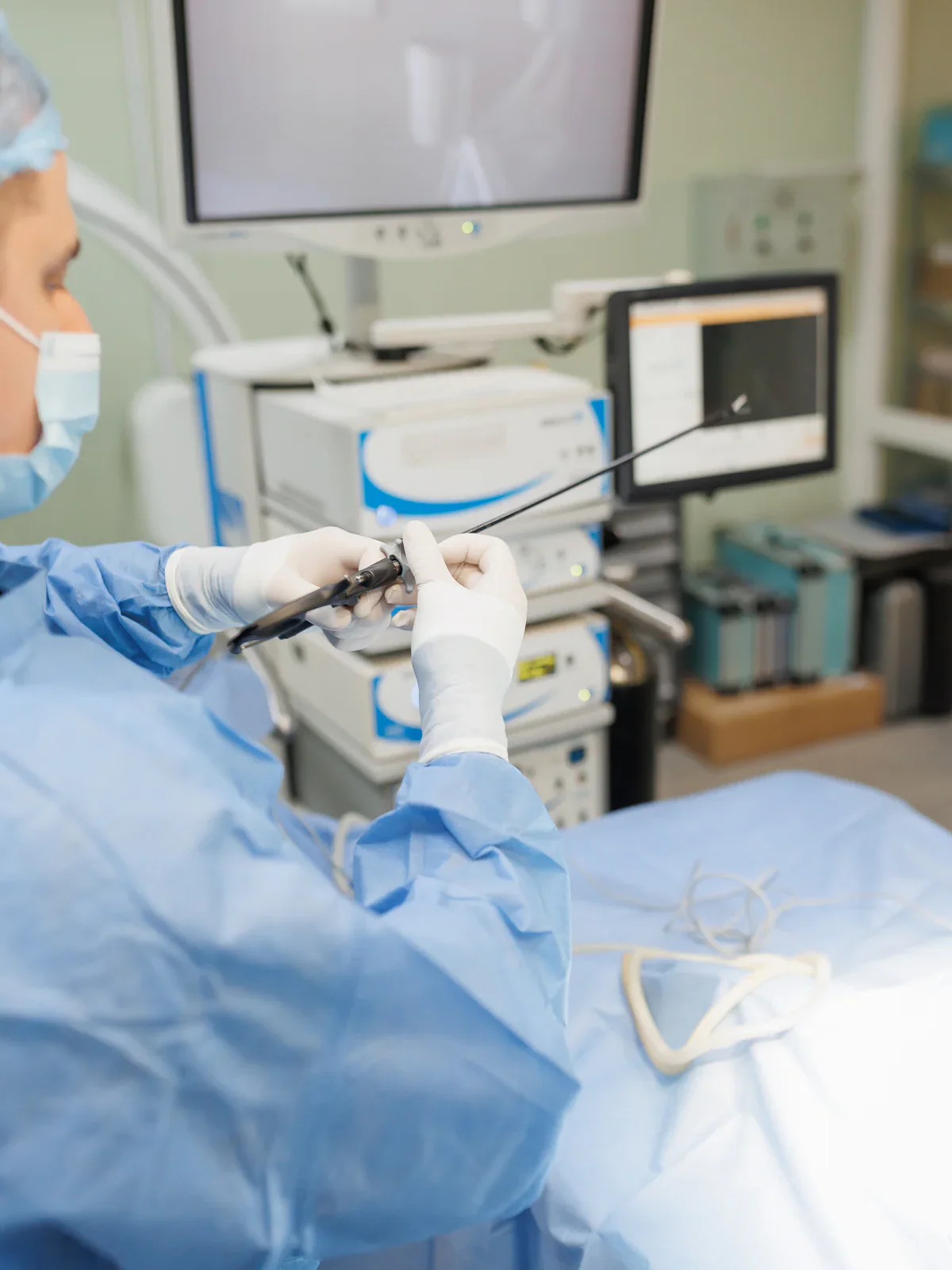
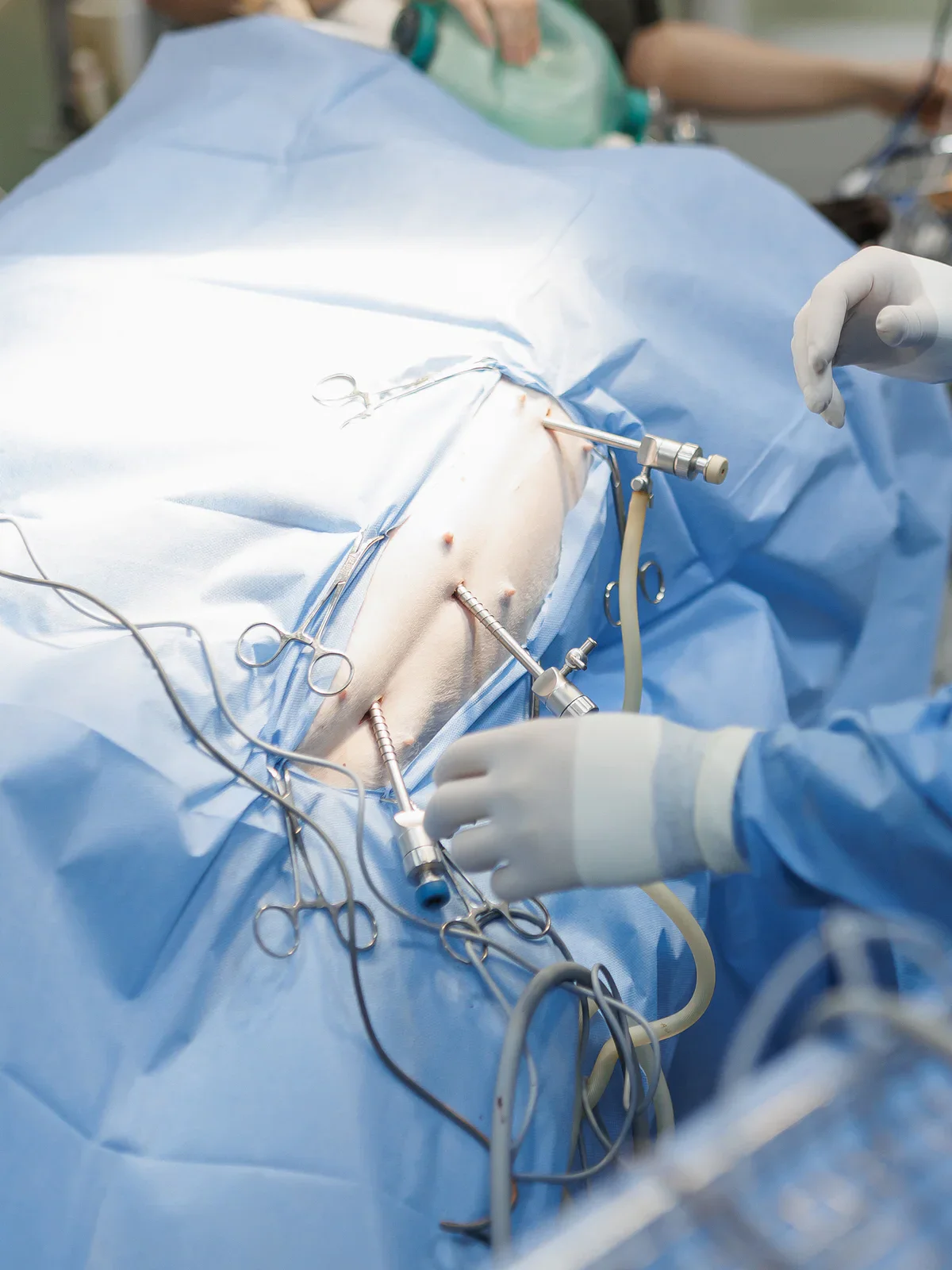
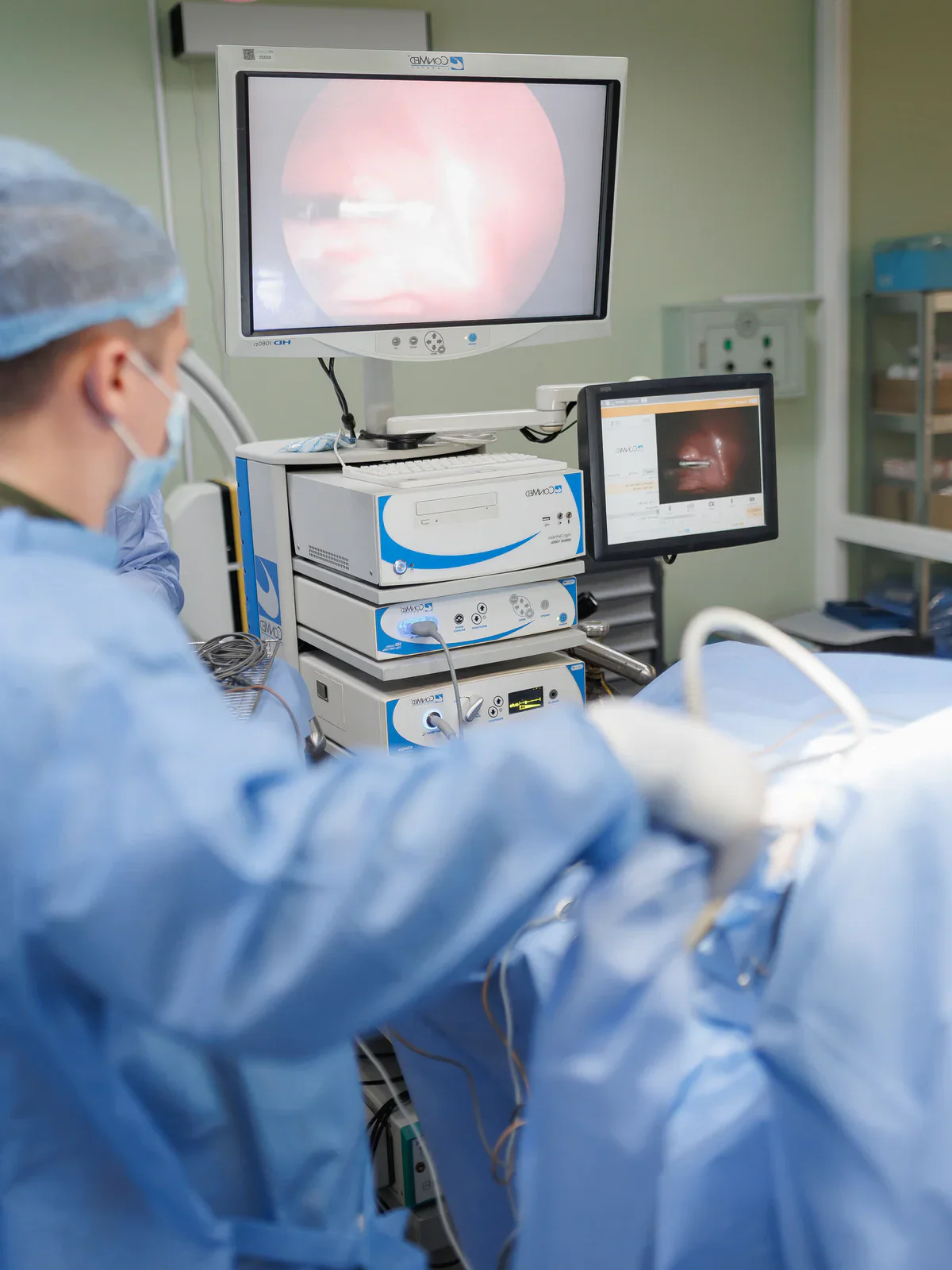
The choice of method always depends on the task. If it is necessary to examine the stomach, esophagus, intestine or remove a foreign object, then endoscopic surgeries for animals. When it comes to the abdominal cavity, sterilization, organ biopsy or individual surgical procedures, it is more often chosen laparoscopic animal surgery.
When the problem is related to the blood vessels, heart or urinary tract, the following come to the fore: catheter technologies in veterinary medicine. That is why there is no one-size-fits-all answer. We assess the anatomy, diagnosis, risks, and goals of the intervention, and only then determine which path will be most rational.
Interventional Urology and Cardiology: When a Minimally Invasive Approach Avoids Major Surgery
For urological patients animal catheterization, urinary tract stenting or other interventional solutions can help restore drainage quickly and reduce the trauma of treatment. This is especially important when the bill runs into hours and the patient's condition does not allow for unnecessary time-consuming and more complex interventions.
In cardiology vascular catheterization in animals and the installation of occluders in certain cases also become an alternative to more traumatic approaches. For the owner, this means one simple thing: in the right patient, a minimally invasive approach may not be a compromise, but the best solution.
Combining diagnostics and treatment in one procedure: what is the key value of the method?
One of the biggest advantages of this direction is that animal diagnosis and treatment are often combined in one procedure. For example, the doctor can perform a visual assessment, take a biopsy, remove a foreign body, or perform targeted drainage without moving on to another, more traumatic step.
This saves time, reduces the number of individual manipulations, and allows you to act more precisely. That is why accurate diagnosis during animal surgery is not just a technical advantage, but a real clinical value for the patient.
Recovery after interventional surgery: less pain, shorter rehabilitation and faster return to activity
After such interventions, patients usually return to activity more quickly. Rapid recovery after surgery, a short rehabilitation period for the animal, and less local pain are the benefits that the owner notices the most quickly. Of course, each case is individual, but the logic of the method itself works precisely to reduce trauma.
It is important for us not only to perform the procedure, but also to organize clear postoperative support. We explain what to pay attention to at home, when monitoring is needed, and how to behave in the first days after the intervention to make recovery as calm as possible.
Advantages of interventional surgery at Trinity Veterinary Hospital in Kyiv
At Trinity Clinic in Kyiv, interventional surgery for animals combines modern equipment, a team approach, and thoughtful anesthetic support. For us, it is important not only to perform the manipulation technically correctly, but also to provide an accurate route from diagnosis to recovery. That is why we pay so much attention to details that mean safety for the patient and confidence for the owner.
Another important advantage is the ability to choose a less traumatic path where it is truly appropriate. Not loud promises, but concrete clinical logic. That's right modern veterinary surgery works for the result, not just for the effective name of the procedure.
How to sign up for an interventional surgery consultation: organizational details and consultation
To get a consultation with an interventional surgeon for animals, it is enough to briefly describe the problem, symptoms, previous examinations, and what diagnosis has already been established or is suspected. This will help to understand whether an initial examination, an appointment for an endoscopy of the animal, laparoscopy, or another format of minimally invasive intervention is needed.
If you are interested in the cost of interventional surgery for animals, the price of individual procedures or stages of preparation, please clarify the details with the administrator. At the Trinity clinic in Kyiv, we organize the route so that interventional surgery in Kyiv is understandable, logical and as beneficial as possible for the health of your pet.