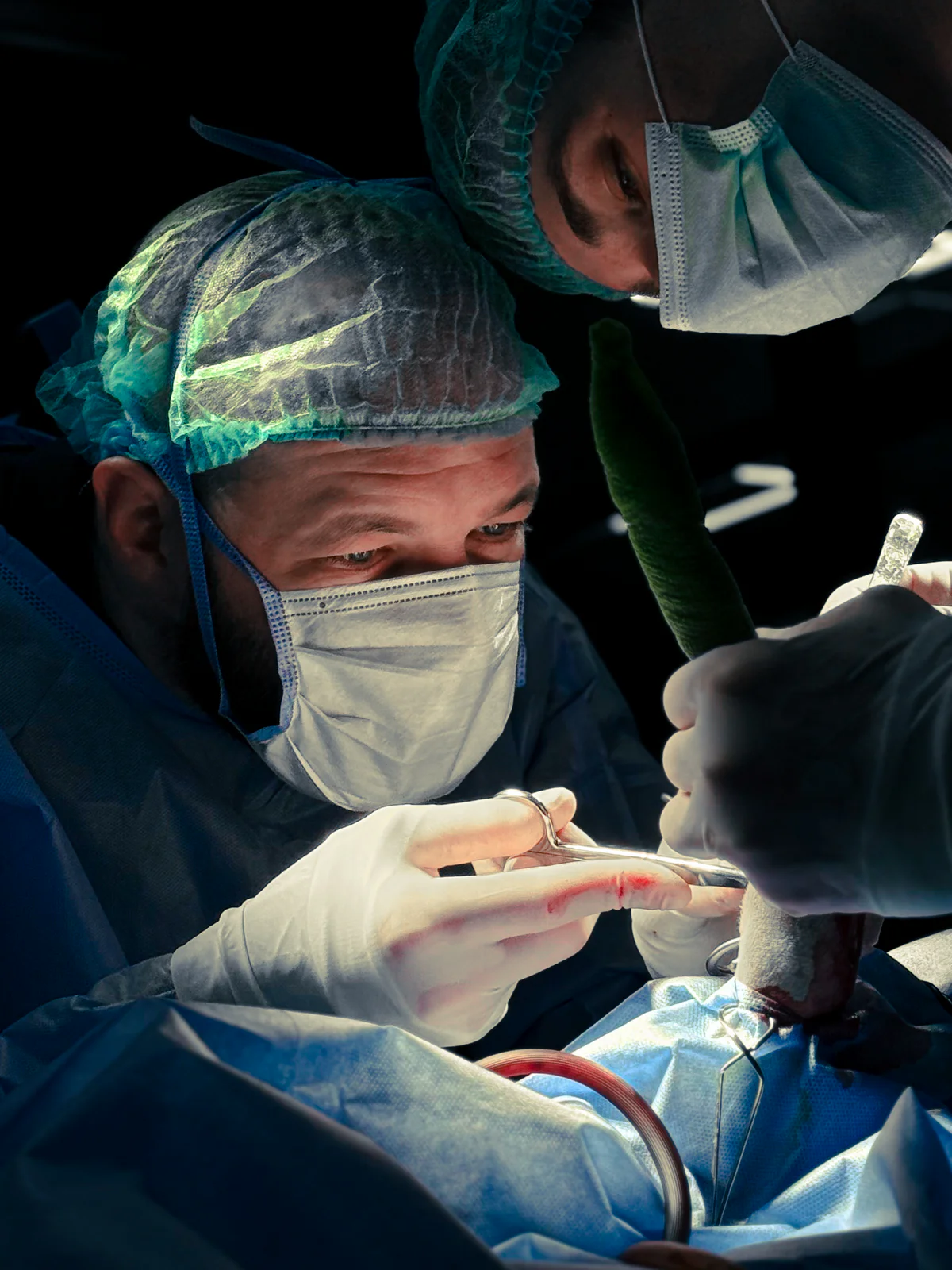
When laser surgery is particularly appropriate: indications for delicate intervention
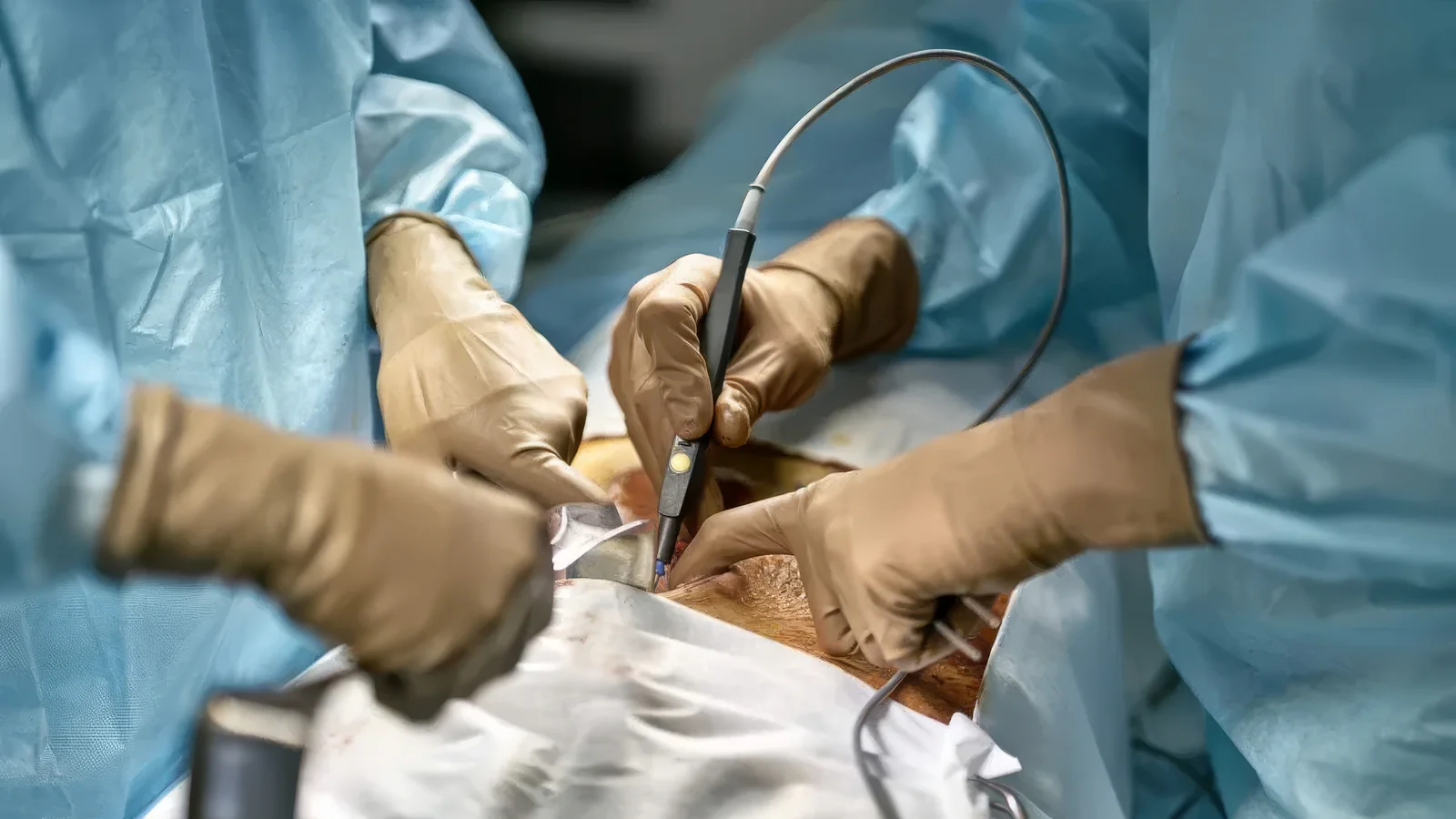
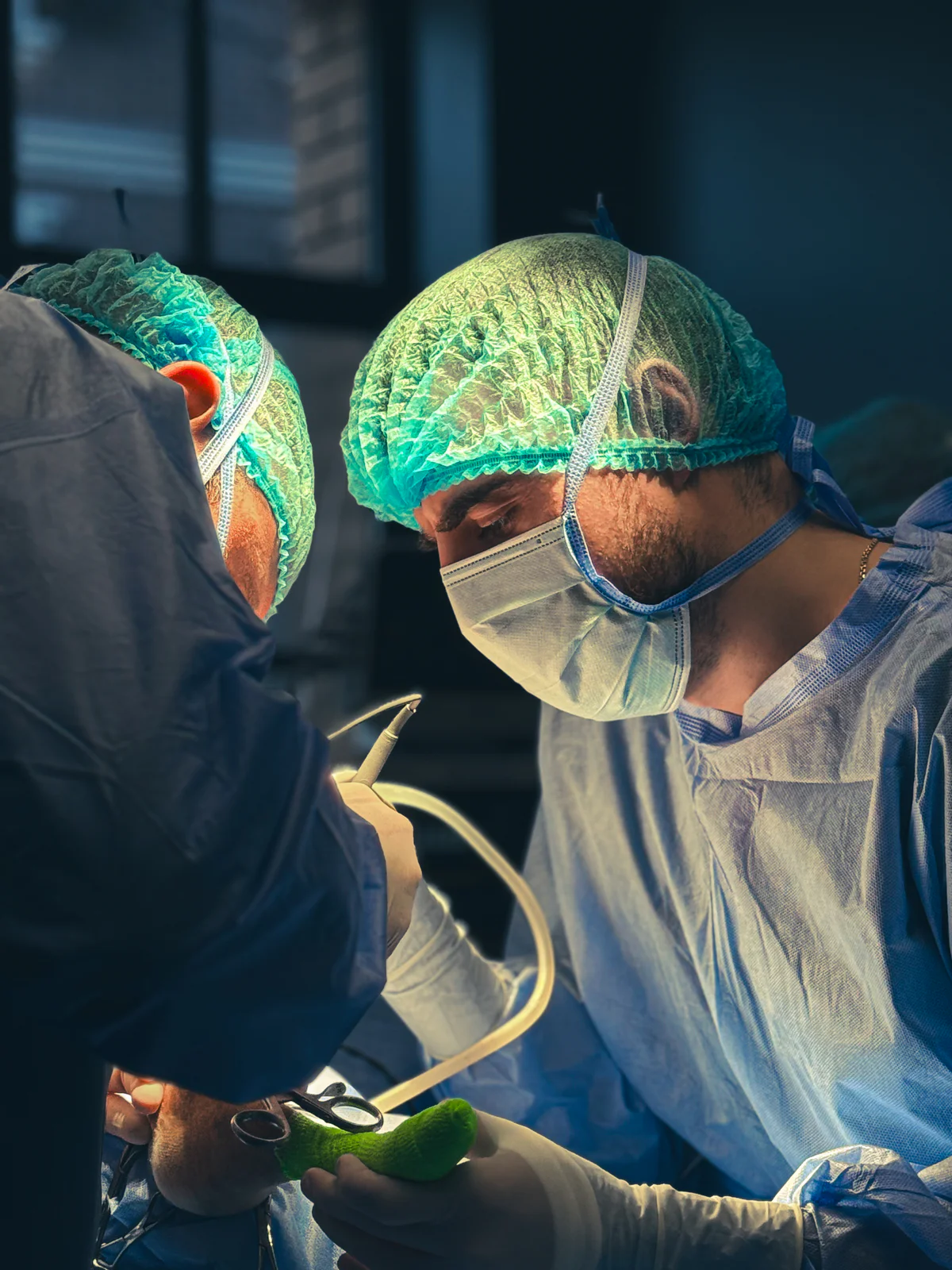
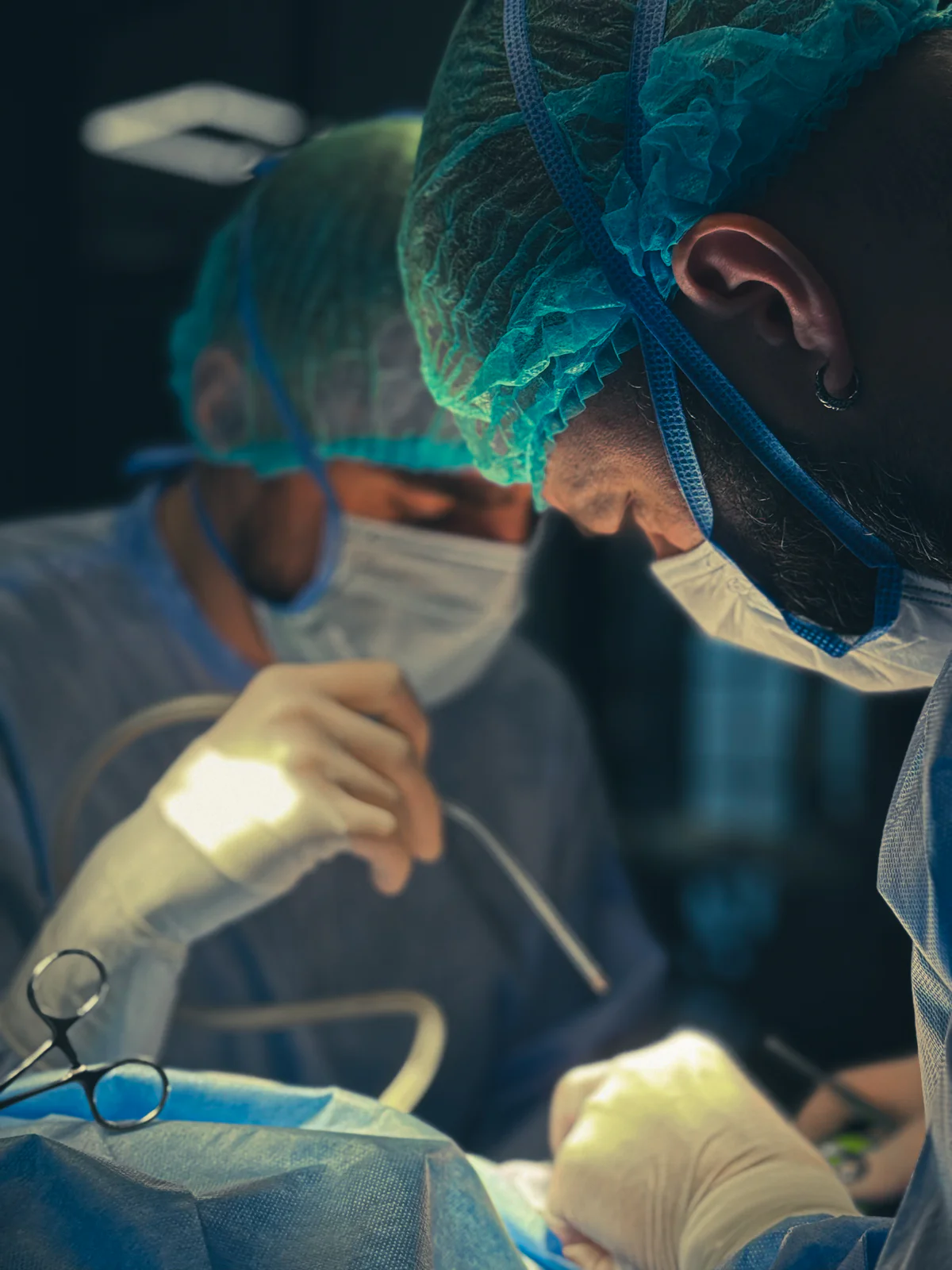
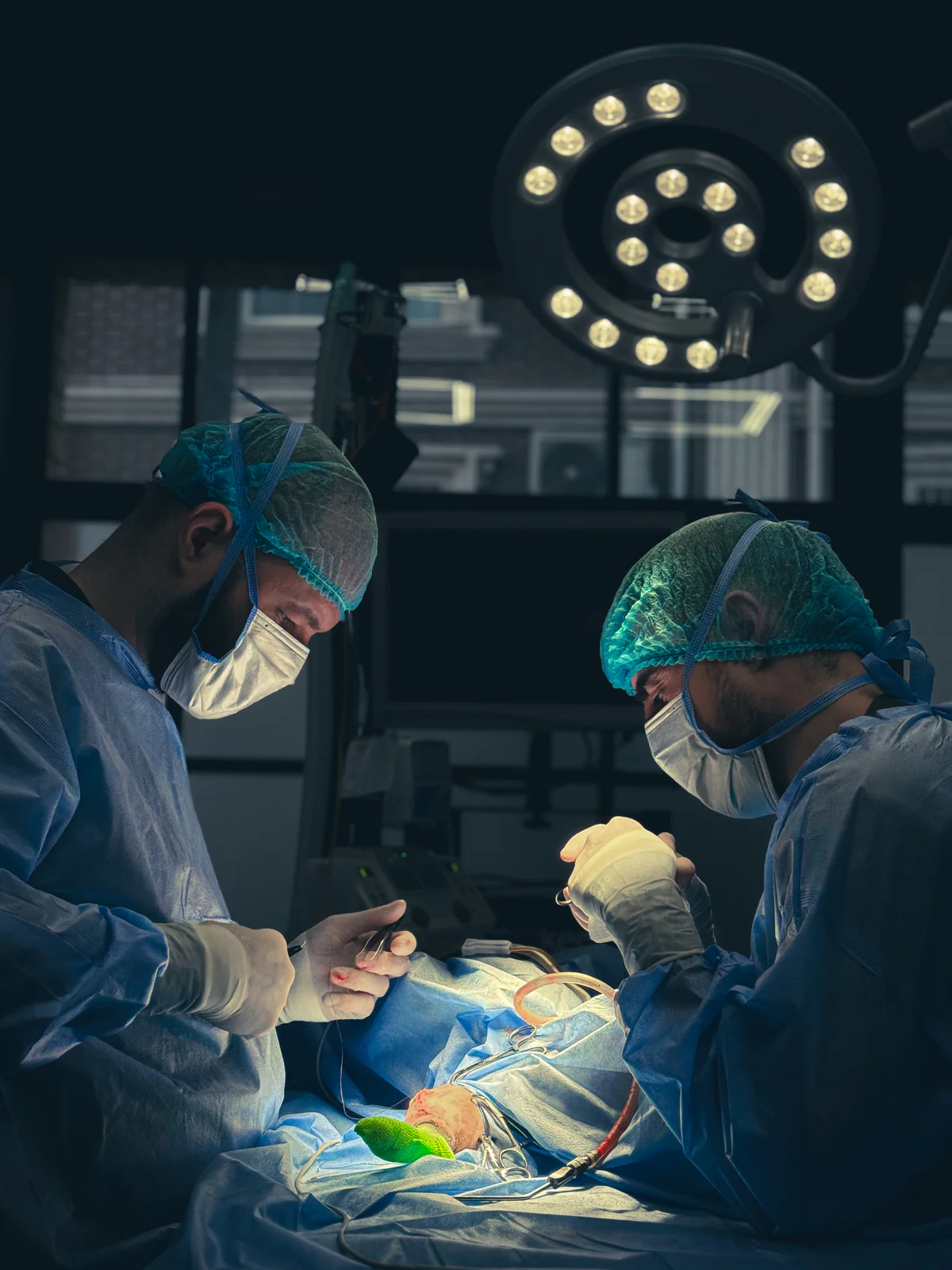
Not every operation requires a laser, but there are situations where this approach is particularly justified. These are delicate areas, small and medium-sized formations, mucous membranes, skin, eyelids, gums, as well as cases where it is important to reduce bleeding, postoperative pain and recovery time. That is why laser surgery in veterinary medicine often becomes appropriate where precision and accuracy are crucial.
For the owner, it looks simple: less trauma, a calmer outcome from the procedure, easier care at home. But behind this lies the precise choice of method. We do not prescribe laser surgery for animals in Kyiv automatically, but rather assess whether it will really be the best solution for this patient.
How to prepare an animal for laser surgery: what is important for the owner to know
Before the intervention, it is important to inform what medications the animal is already receiving, whether there were reactions to anesthesia before, how long ago the formation or problem you are addressing appeared. If we are talking about laser removal of neoplasms in animals, it is useful to mention whether it has increased in size, changed color, shape, or has bleeding appeared.
The doctor also explains in advance whether a fasting period is required, what examinations should be taken before the procedure, and how to organize the day of the operation. At the Trinity clinic in Kyiv, we believe that the owner's peace of mind begins with clear answers even before the start of treatment.
Laser removal of neoplasms and skin lesions: when the method is particularly effective
Skin lesions in animals can be very diverse – from papillomas and warts to more serious changes that require careful diagnosis. In such cases, laser removal of a tumor in a dog, cat or a small formation on the mucosa allows you to work precisely, with good tissue control and minimal bleeding. This is especially valuable in areas where you want to maintain maximum accuracy and functionality.
That is why laser removal of skin neoplasms in animals is often considered a modern alternative to classical excision in certain clinical situations. However, the decision is always made after assessing the formation, its depth, localization and the general condition of the patient.
Laser surgery in dentistry, on the eyelids and ears: precision in delicate areas
In the area of the gums, eyelids and ears, particular precision is important. This is where laser surgery in animals can be very appropriate. The laser allows you to work delicately, with less damage to the surrounding tissues and clear control of the intervention field.
This is also important for the owner because such areas are usually sensitive, and postoperative comfort is of great importance. That is why laser eyelid surgery in animals and similar procedures are often chosen when not only efficiency, but also special accuracy is required.
Recovery after laser surgery: less pain, faster healing and shorter hospitalization
One of the main reasons owners turn to this approach is for recovery. These procedures often result in less post-operative pain, a shorter recovery period for the animal, and less local inflammation. This does not mean that care is not needed, but the journey after the procedure is usually smoother.
We explain in detail how to behave at home, what to pay attention to, when to come for a check-up, and why discipline in care is important even after minimally invasive surgery. It is this approach that helps make a quick recovery after surgery for the animal not an accidental bonus, but a predictable result.
How does laser surgery differ from traditional surgery in a specific clinical case?
Laser does not replace all surgery, but in some cases it provides noticeable advantages. While traditional instruments work through mechanical tissue dissection, veterinary laser surgery allows you to combine precise incision with coagulation, which affects the level of blood loss, field cleanliness and postoperative comfort. That is why in some situations laser technology is more appropriate.
But the right question is not «what’s more fashionable,» but «what’s better for this animal.» We choose a method not based on trends, but on clinical logic. If a modern veterinary laser provides real benefits, we explain it. If not, we honestly offer another way.
How to sign up for a laser surgery consultation at Trinity: organizational details and consultation
To get a consultation with a laser surgeon for animals, it is enough to briefly describe the problem: where exactly the formation or wound is located, how long ago it appeared, whether there were previous procedures, whether there are photos, conclusions or test results. This will help to understand more quickly whether an initial assessment is needed or whether an intervention can already be planned.
If you are interested in the cost of laser surgery for animals, the price of laser surgery for an animal or the format of preparation for the procedure, please clarify the details with the administrator. At the Trinity clinic in Kyiv, we organize an appointment so that veterinary laser surgery is understandable, calm and as beneficial as possible for the health of your pet.