



Neurosurgery: precision, technology and concern for quality of life
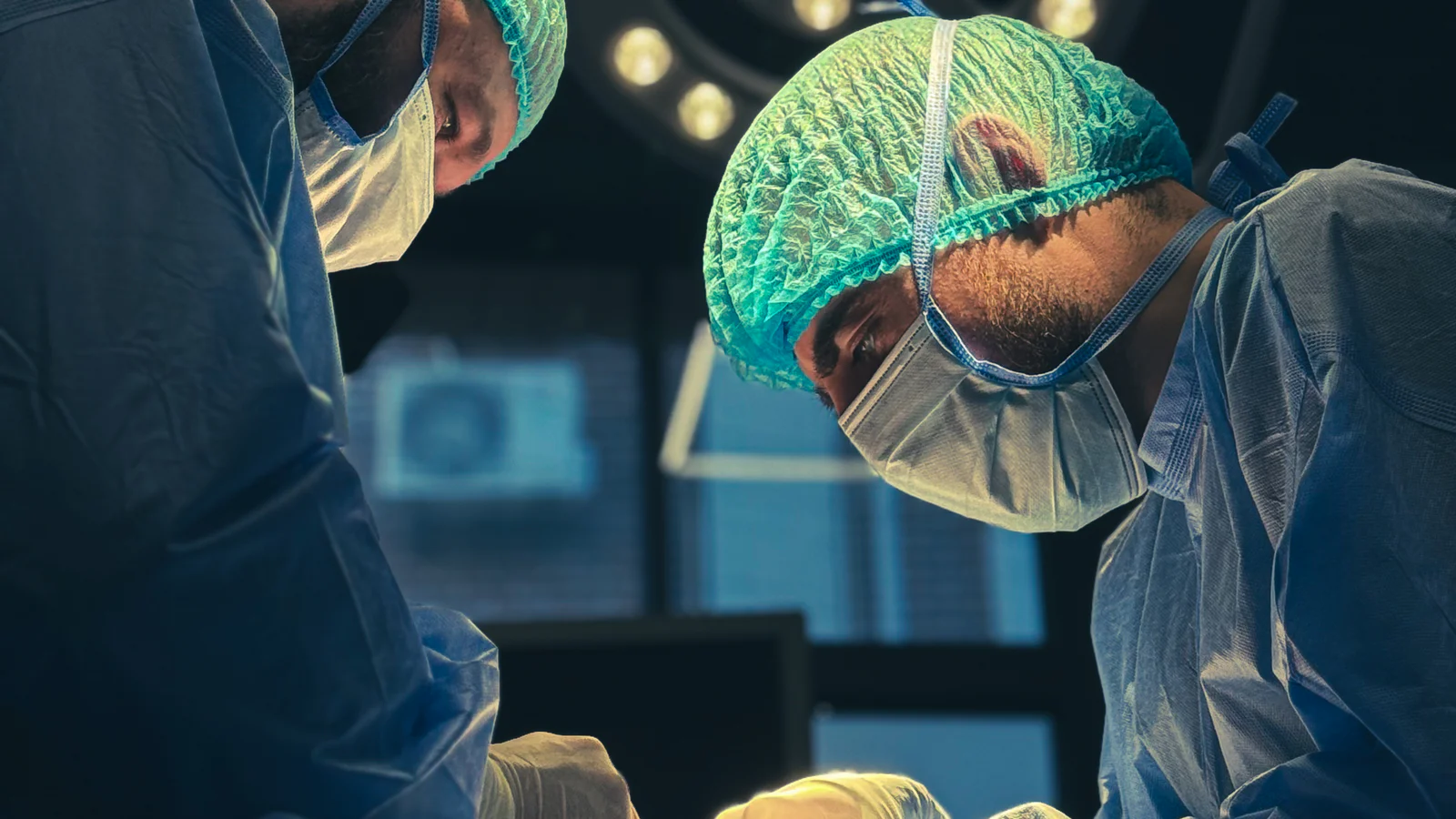
Neurosurgical Department "Trinity"« is a place where veterinary medicine combines precision, technology, and care. We help animals with brain and spinal cord injuries, spinal cord injuries, coordination disorders, seizures, and other neurological conditions, restoring movement, control, and quality of life.
Teamwork of neurosurgeons, neurologists, rehabilitation specialists and anesthesiologists
Our neurosurgeons work closely with neurologists, rehabilitation specialists, and anesthesiologists to ensure accurate diagnosis, safe surgery, and full recovery. Thanks to modern diagnostic methods, we localize the lesion with millimeter accuracy.
When to consult a neurosurgeon:
- the animal suddenly lost coordination or balance;
- there is weakness or paralysis of the limbs;
- seizures, tremors, changes in behavior or consciousness have appeared;
- after an injury, the animal feels pain along the spine or neck;
- the animal does not control urination or defecation.
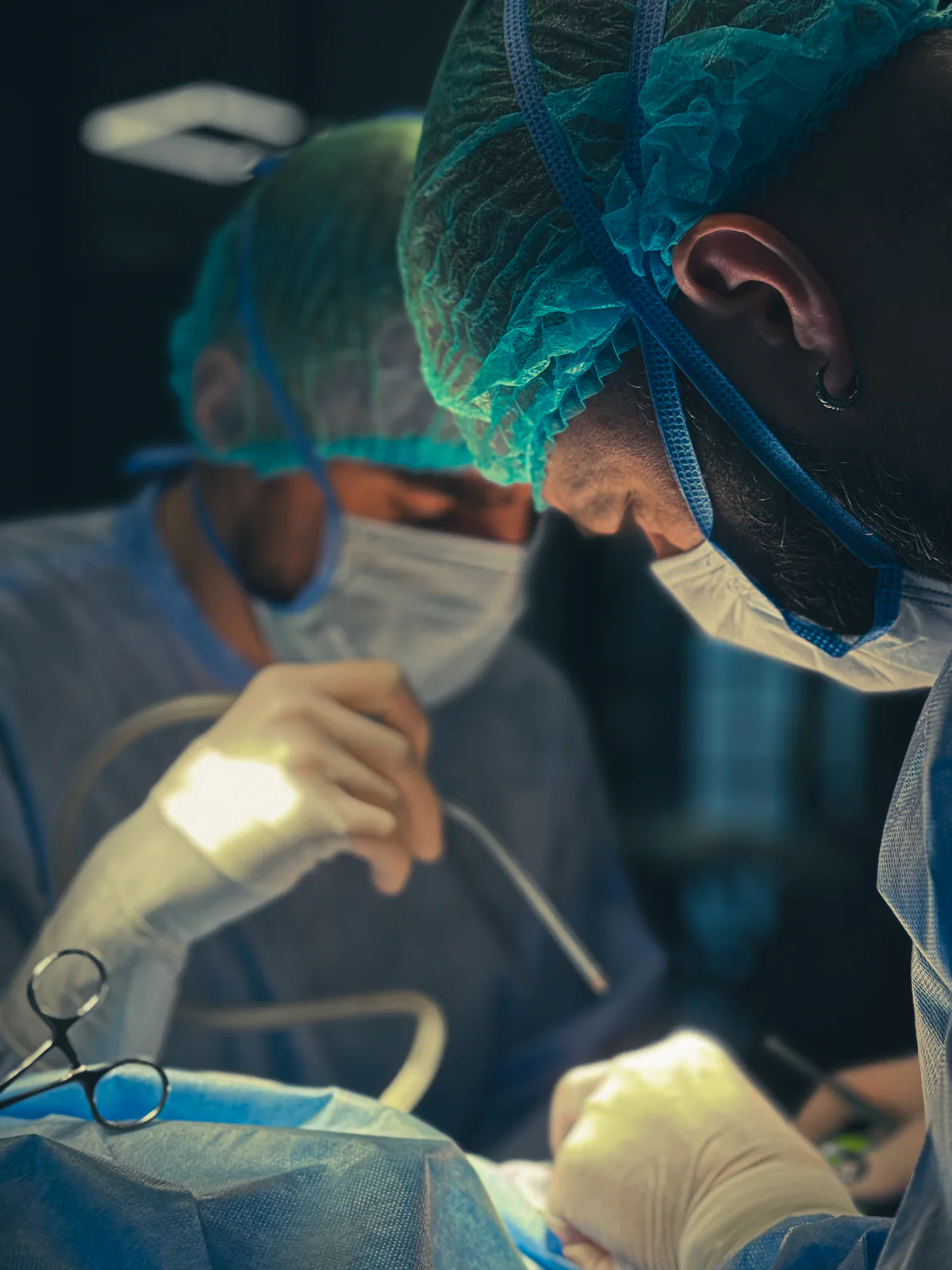
Veterinary neurosurgery at Trinity in Kyiv: spine, brain and mobility surgeries
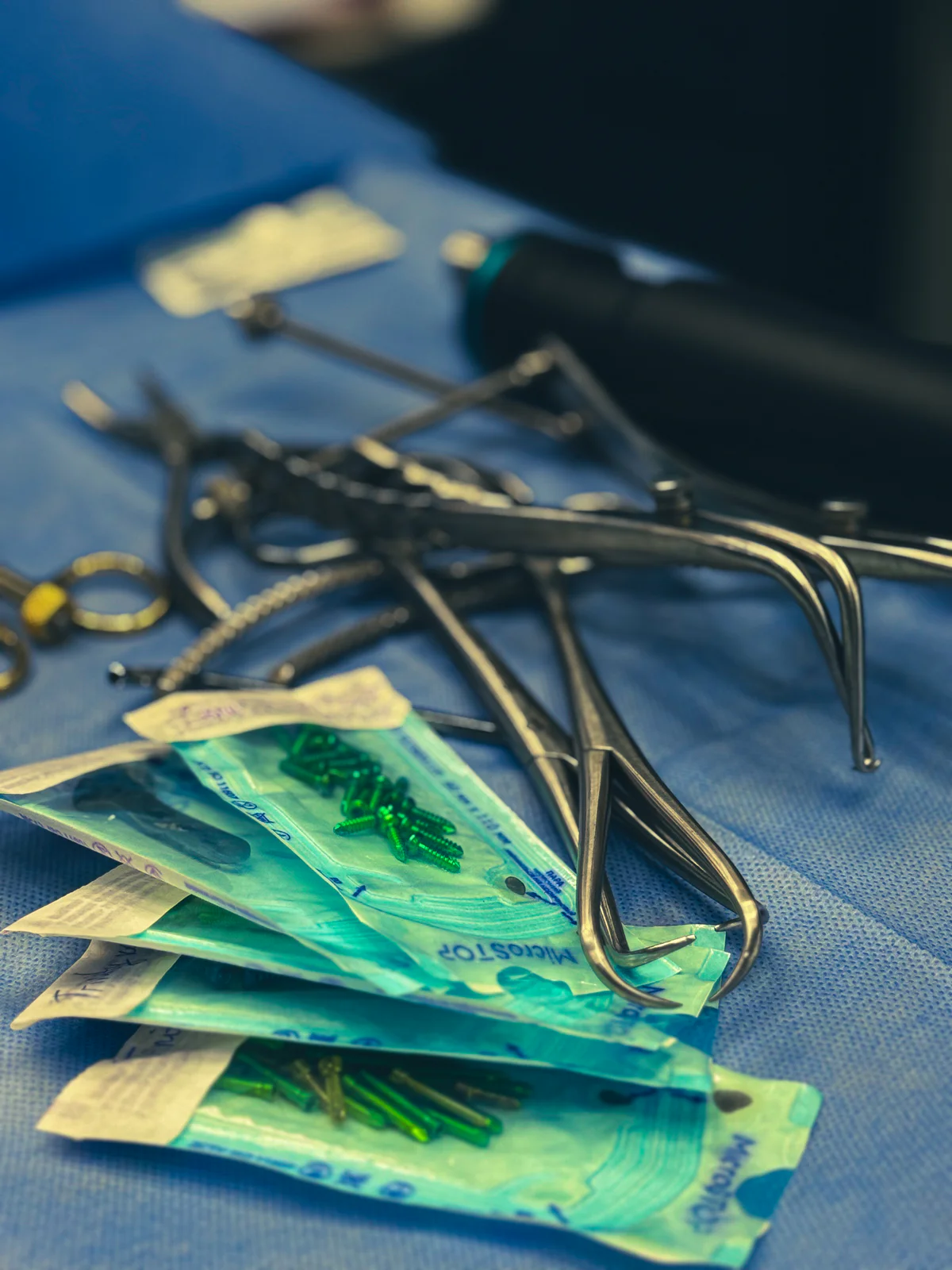
Veterinary neurosurgery at Trinity in Kyiv: spine, brain and mobility surgeries
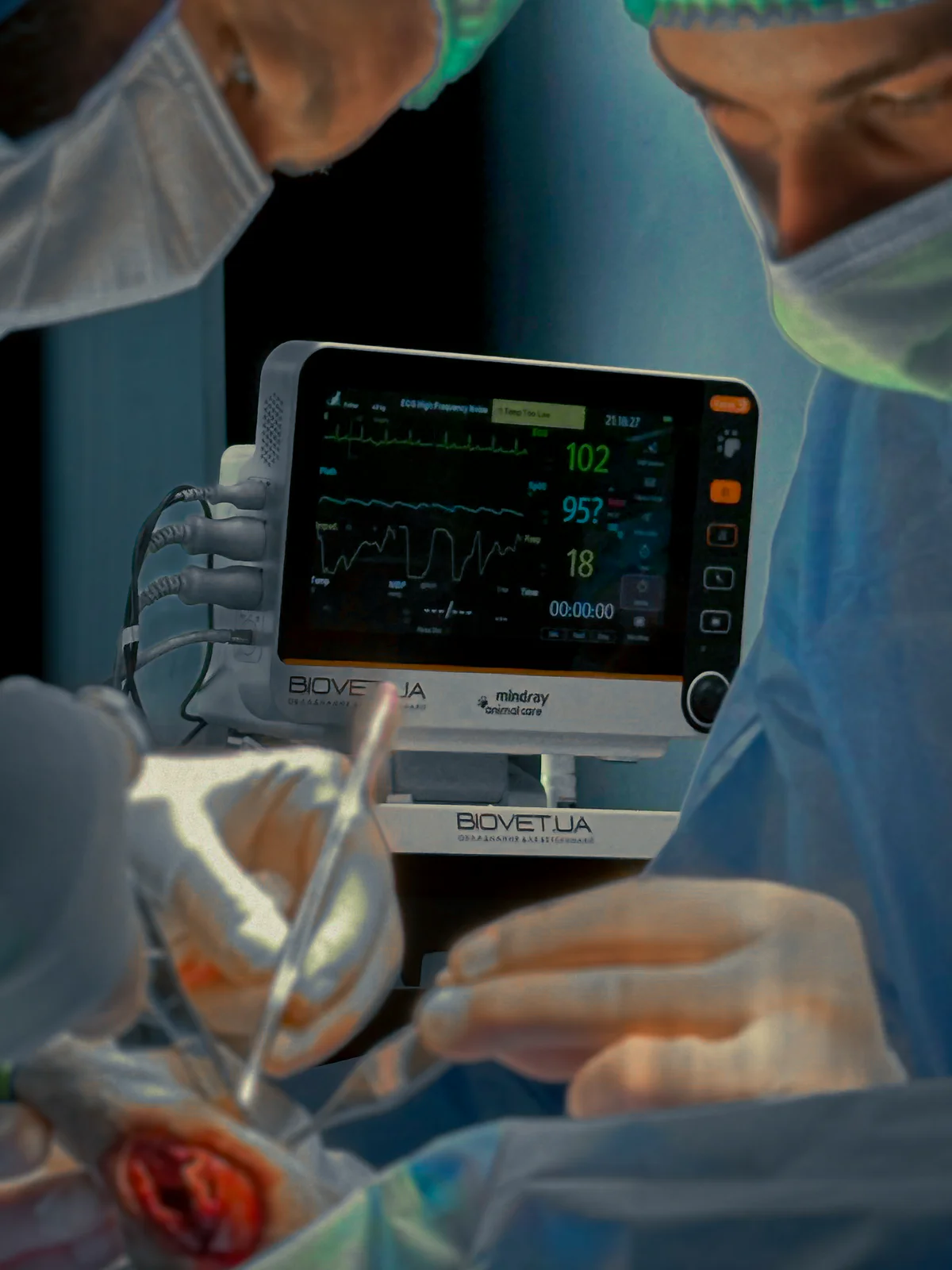
Veterinary neurosurgery at Trinity in Kyiv: spine, brain and mobility surgeries
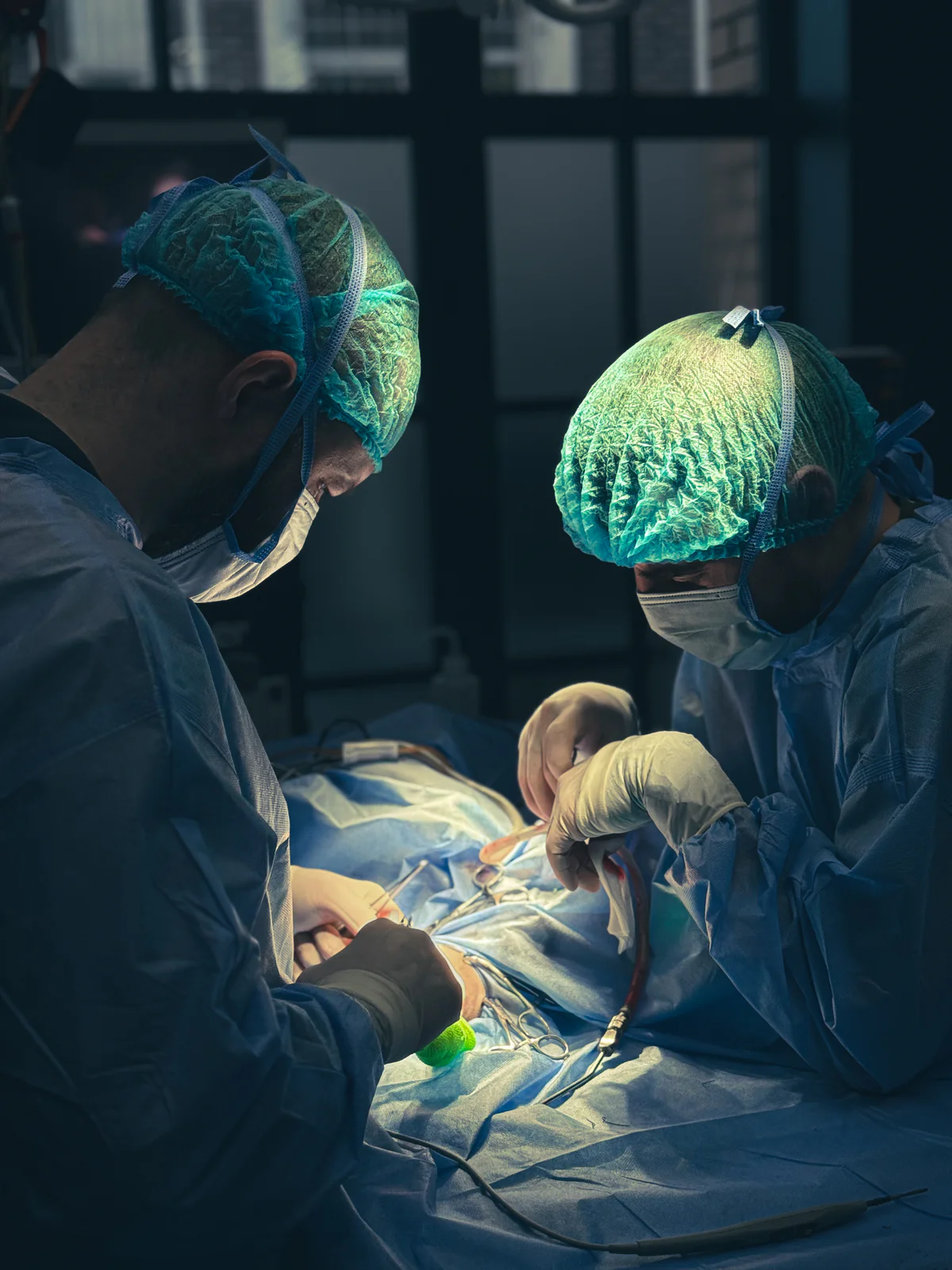
Veterinary neurosurgery at Trinity in Kyiv: spine, brain and mobility surgeries
What neurosurgical interventions do we perform?
- neurosurgical operations for intervertebral hernias, spinal cord compression, skull injuries;
- removal of brain and spinal cord tumors;
- spinal stabilization after injuries or degenerative processes;
- reconstructive interventions after neurotrauma;
- rehabilitation programs to restore mobility and function.
Multi-level monitoring, modern anesthesia and postoperative care
All operations are accompanied by multi-level monitoring of vital signs, modern methods of anesthesia and postoperative care. We do everything to ensure that your pet not only recovers, but also returns to an active and comfortable life.
NEED A VETERINARY FOR YOUR PET?
Examination, diagnosis and treatment in one place

Diagnostics in neurosurgery: when MRI, CT and neurological examination are needed
In neurosurgery, it is important not to act haphazardly. That is why neurological diagnostics of animals begins with an examination, assessment of reflexes, sensitivity, coordination and localization of the lesion. Then, according to indications, MRI (CT) of the spine or MRI of the brain of the animal is connected to neurology. This way we understand where exactly the problem is and whether urgent intervention is required.
Why is this so important? Because the same outward weakness can have completely different causes. In one animal it is an intervertebral hernia, in another it is an injury, compression, tumor or inflammatory process. It is precisely accurate visualization that helps not to waste time and not to make mistakes with tactics.
Intervertebral hernias, spinal cord compression and spinal injuries: when quick surgery is important
Some of the most common reasons for referral are herniated discs, spinal cord compression, spinal trauma in a dog or cat. The owner may notice that the animal is not walking on its hind legs, there is severe pain, a shaky gait, or sudden paralysis of the dog's hind legs. In such cases, speed is of the essence, because prolonged pressure on the nerve structures reduces the chances of full recovery.
That is why surgery for a herniated disc in a dog or spinal stabilization is not postponed unnecessarily. Before the intervention, the doctor assesses the degree of neurological deficit, the results of an MRI or CT scan, the general condition of the patient and only after that forms a clear plan. In Kiev, at the Trinity clinic, we explain to the owner the logic of each step so that there is less uncertainty at a critical moment.
Brain and spinal cord tumors: how neurosurgery is planned
A brain tumor in a dog, cat, or spinal cord tumor in an animal often does not manifest itself immediately. At first, it may be behavioral changes, seizures, impaired coordination, a shaky gait, or weakness. That is why it is important not to wait until the condition becomes critical, but to undergo an examination in a timely manner.
Once the diagnosis is confirmed, the neurosurgeon assesses the location, size, accessibility of the tumor, and risks. In some cases, the animal may undergo brain tumor removal or spinal cord surgery, while in others, the decision is made after a detailed discussion of the prognosis and treatment goals. For us, it is not only the intervention itself that is important, but also the animal’s quality of life after it.
Rehabilitation after neurosurgery: how movement, control and quality of life return
In neurosurgery, surgery is not the end, but only part of the journey. Neurosurgery requires post-operative care, pain management, neurological monitoring, and a gradual return to activity. That’s why we work with specialists to help restore movement, support, coordination, and functional control.
Rehabilitation after spinal surgery in dogs or after brain surgery requires time, patience and the right program. Some need gait training, some need body position control, and some need help adapting to everyday movements. It is consistency and observation in dynamics that give a chance for the result that the owner is so waiting for.
How to prepare an animal for a neurosurgeon consultation: what to bring with you to the appointment
Before your visit, it's a good idea to remember how your symptoms started: suddenly or gradually, after an injury or for no apparent reason. If your dog or cat has had seizures, loss of coordination, a shaky gait, weakness, or neck pain, it's a good idea to record these episodes in chronological order. If you have a video, that can also help your doctor.
It is worth taking all previous examinations, images, conclusions, a list of medications and data on previous treatment to the appointment. This helps to understand more quickly whether a consultation with a neurosurgeon for animals is needed immediately, or whether an extended neurological route is needed first. All this can be organized in Kyiv at the Trinity Veterinary Hospital.
What should the owner do before arriving at the clinic if the symptoms appear suddenly?
If the animal has suddenly lost support on its paws, is off balance, is screaming in pain, or cannot get up, the main thing is not to try to «break» it apart by force. If a spinal injury is suspected in a cat or dog, it is important to limit movement and transport the patient as carefully as possible, on a firm, flat surface or in a carrier with fixation.
Emergency care for paralysis in a dog or an animal that has lost control of urination, do not wait for it to «go away.» It is in the first hours that the doctor can assess the extent of the damage and decide whether urgent surgery or stabilization and additional examinations are needed.
How to make an appointment with a neurosurgeon at Trinity: organizational details and consultation
To get an appointment with a veterinary neurosurgeon, it is enough to briefly describe the symptoms and inform them whether there was an injury, seizures, loss of coordination, paralysis, or severe pain. This will help the administrator determine how urgent the situation is and what documents or images you need to bring with you.
If you are interested in the cost of neurosurgery for animals, the price of spinal surgery, or the format of the initial consultation, please clarify the details with the administrator. At the Trinity clinic in Kyiv, we help organize the application so that the neurosurgeon for animals in Kyiv is available on time, and the treatment route is clear and understandable.
READ MORE
Other branches

Do you need help?
Do you have questions or want to book your pet for an appointment?
Monday - Sunday: 24/7
Do you need help?
Do you have questions or want to book your pet for an appointment?
Monday - Sunday: 24/7
Consultation cost ophthalmologist
- All
- Inspection and Diagnostics
- Professional Sanitation
- Surgical Extraction
- Total Extraction
- Jaw Surgery
- Removal of Neoplasms
- Corrective Surgery
- Comprehensive Treatment (SONAT)
Inspection and Diagnostics
-
Initial dental examination
1,400 UAH.
-
Scheduled dental check-up
900 UAH.
-
Dental X-ray (one tooth)
600 UAH.
-
Detailed X-ray diagnostics
1,550 UAH.
Professional Sanitation
-
Ultrasonic sanitation of the oral cavity, 1st degree
2,600 UAH.
-
Ultrasonic sanitation of the oral cavity of the 2nd degree
3,100 UAH.
-
Ultrasonic sanitation of the oral cavity of the 3rd degree
3,600 UAH.
Surgical Extraction
-
Surgical tooth extraction of the 1st degree
700 UAH.
-
Surgical tooth extraction of the 2nd degree
850 UAH.
-
Surgical extraction of a 3rd degree tooth
1,050 UAH.
Total Extraction
-
Total tooth extraction of the 1st degree
5,600 UAH.
-
Total tooth extraction of the 2nd degree
7,600 UAH.
-
Total tooth extraction of the 3rd degree
9,600 UAH.
Jaw Surgery
-
Unilateral mandibulectomy
12,600 UAH.
-
Segmental mandibulectomy
12,600 UAH.
-
Rostral maxillectomy
15,600 UAH.
-
Caudal maxillectomy
18,600 UAH.
-
Total maxillectomy
20,600 UAH.
Removal of Neoplasms
-
Removal of a grade 1 soft tissue neoplasm
2,600 UAH.
-
Removal of a grade 2 soft tissue neoplasm
4,600 UAH.
-
Removal of a grade 3 soft tissue tumor
6,600 UAH.
Corrective Surgery
-
Surgical correction of a 1st degree cleft palate defect
2,600 UAH.
-
Surgical correction of a 2nd degree cleft palate defect
4,600 UAH.
-
Surgical correction of a 3rd degree cleft palate defect
8,600 UAH.
-
Surgical correction of grade 1 oronasal fistula
1,600 UAH.
-
Surgical correction of grade 2 oronasal fistula
2,600 UAH.
-
Surgical correction of grade 3 oronasal fistula
3,600 UAH.
Comprehensive Treatment (SONAT)
-
Comprehensive diagnostics and treatment according to the SONAT 1st degree protocol
4,000 UAH.
-
Comprehensive diagnostics and treatment according to the SONAT 2nd degree protocol
4,500 UAH.
-
Comprehensive diagnostics and treatment according to the SONAT 3rd degree protocol
5,000 UAH.
Inspection and Diagnostics
-
Initial dental examination
1,400 UAH.
-
Scheduled dental check-up
900 UAH.
-
Dental X-ray (one tooth)
600 UAH.
-
Detailed X-ray diagnostics
1,550 UAH.
Professional Sanitation
-
Ultrasonic sanitation of the oral cavity, 1st degree
2,600 UAH.
-
Ultrasonic sanitation of the oral cavity of the 2nd degree
3,100 UAH.
-
Ultrasonic sanitation of the oral cavity of the 3rd degree
3,600 UAH.
Surgical Extraction
-
Surgical tooth extraction of the 1st degree
700 UAH.
-
Surgical tooth extraction of the 2nd degree
850 UAH.
-
Surgical extraction of a 3rd degree tooth
1,050 UAH.
Total Extraction
-
Total tooth extraction of the 1st degree
5,600 UAH.
-
Total tooth extraction of the 2nd degree
7,600 UAH.
-
Total tooth extraction of the 3rd degree
9,600 UAH.
Jaw Surgery
-
Unilateral mandibulectomy
12,600 UAH.
-
Segmental mandibulectomy
12,600 UAH.
-
Rostral maxillectomy
15,600 UAH.
-
Caudal maxillectomy
18,600 UAH.
-
Total maxillectomy
20,600 UAH.
Removal of Neoplasms
-
Removal of a grade 1 soft tissue neoplasm
2,600 UAH.
-
Removal of a grade 2 soft tissue neoplasm
4,600 UAH.
-
Removal of a grade 3 soft tissue tumor
6,600 UAH.
Corrective Surgery
-
Surgical correction of a 1st degree cleft palate defect
2,600 UAH.
-
Surgical correction of a 2nd degree cleft palate defect
4,600 UAH.
-
Surgical correction of a 3rd degree cleft palate defect
8,600 UAH.
-
Surgical correction of grade 1 oronasal fistula
1,600 UAH.
-
Surgical correction of grade 2 oronasal fistula
2,600 UAH.
-
Surgical correction of grade 3 oronasal fistula
3,600 UAH.
Comprehensive Treatment (SONAT)
-
Comprehensive diagnostics and treatment according to the SONAT 1st degree protocol
4,000 UAH.
-
Comprehensive diagnostics and treatment according to the SONAT 2nd degree protocol
4,500 UAH.
-
Comprehensive diagnostics and treatment according to the SONAT 3rd degree protocol
5,000 UAH.
YOUR PET DESERVES THE BEST CARE
Entrust the health of your ponytail to professionals