




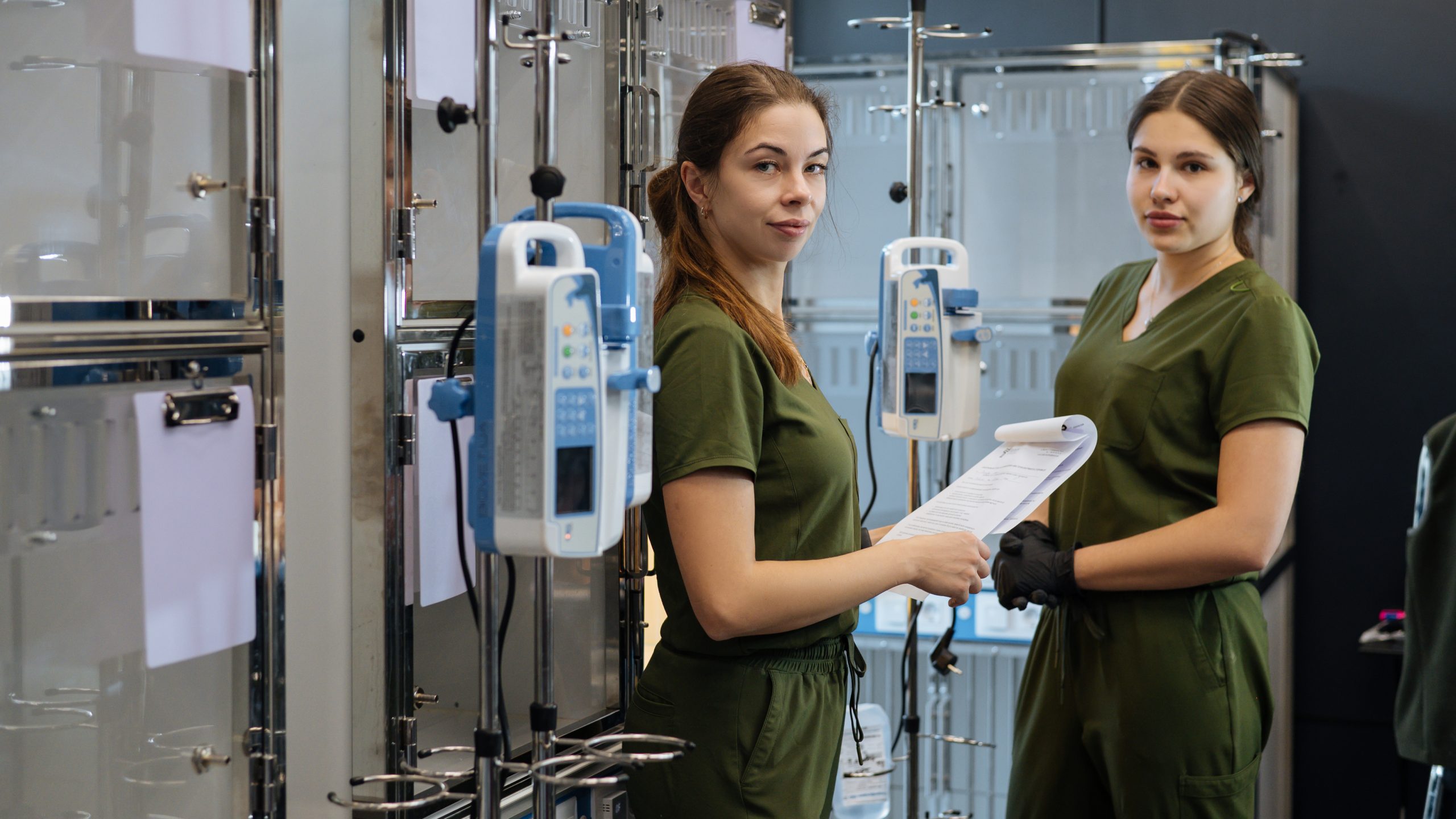
Intensive Care Unit at Trinity Veterinary Hospital«
The intensive care unit is a place where every minute counts. It saves the lives of critically ill patients by providing 24-hour monitoring with the help of modern equipment and teamwork between doctors, assistants, and anesthesiologists-resuscitators.
24-hour monitoring, modern equipment and teamwork of doctors
Our department is based on the principles of evidence-based medicine and meets the standards of leading European veterinary clinics. We provide continuous monitoring of animals' vital functions, rapid diagnostics and timely correction of their condition - from stabilization after operations to intensive support for serious illnesses.
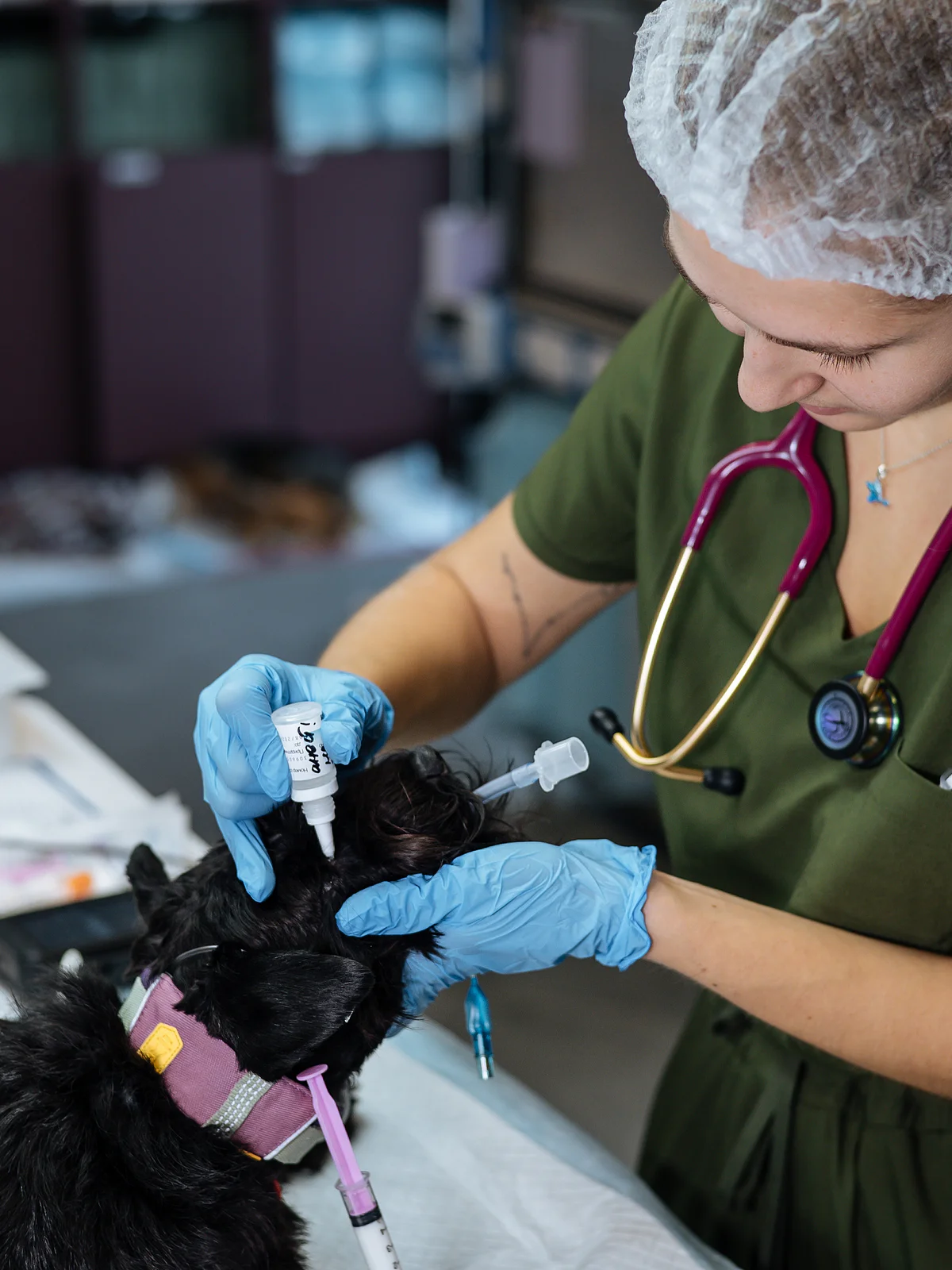
Intensive care for animals at Trinity in Kyiv: 24/7 monitoring, oxygen, infusions and support in critical conditions
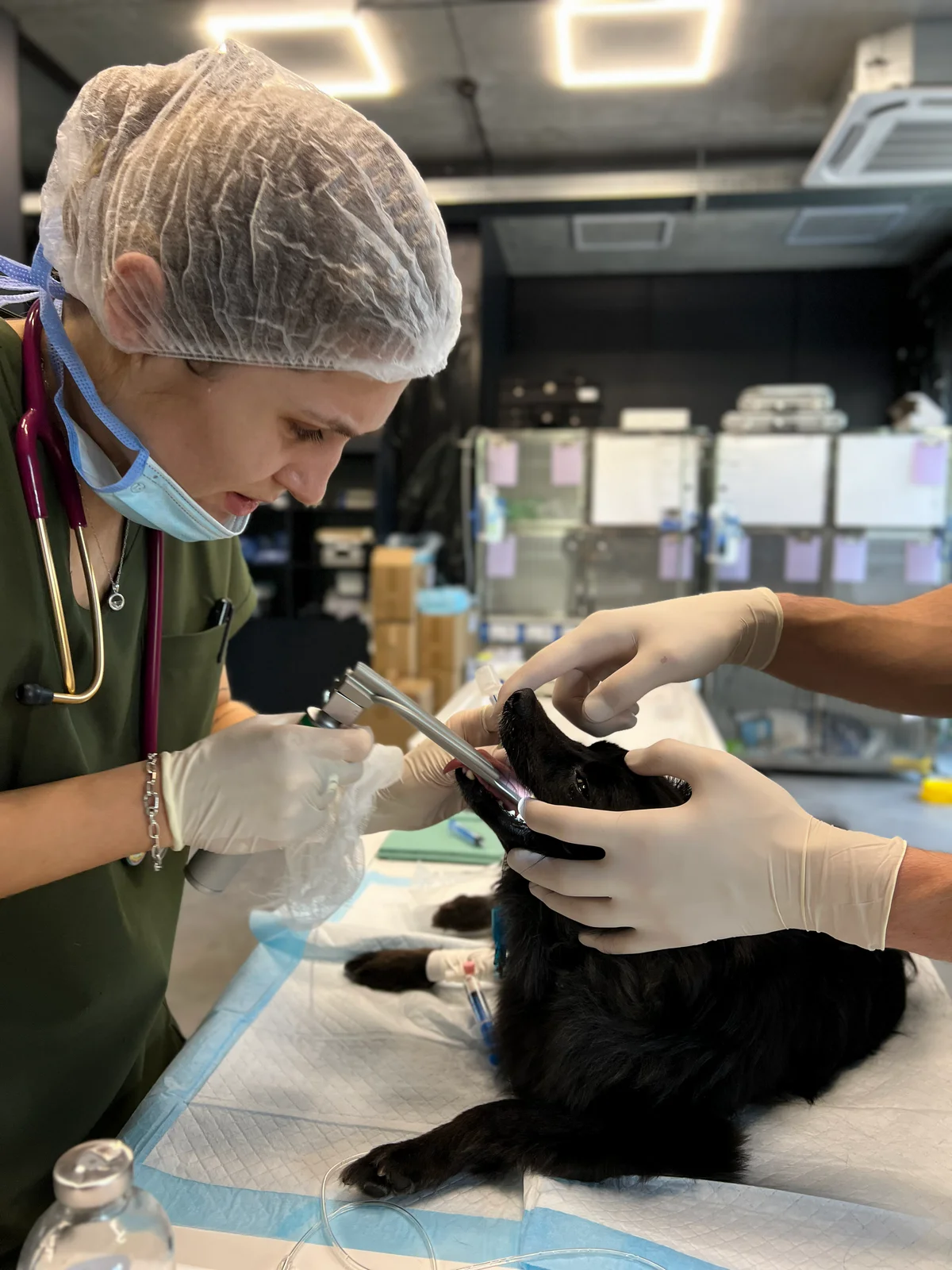
Intensive care for animals at Trinity in Kyiv: 24/7 monitoring, oxygen, infusions and support in critical conditions
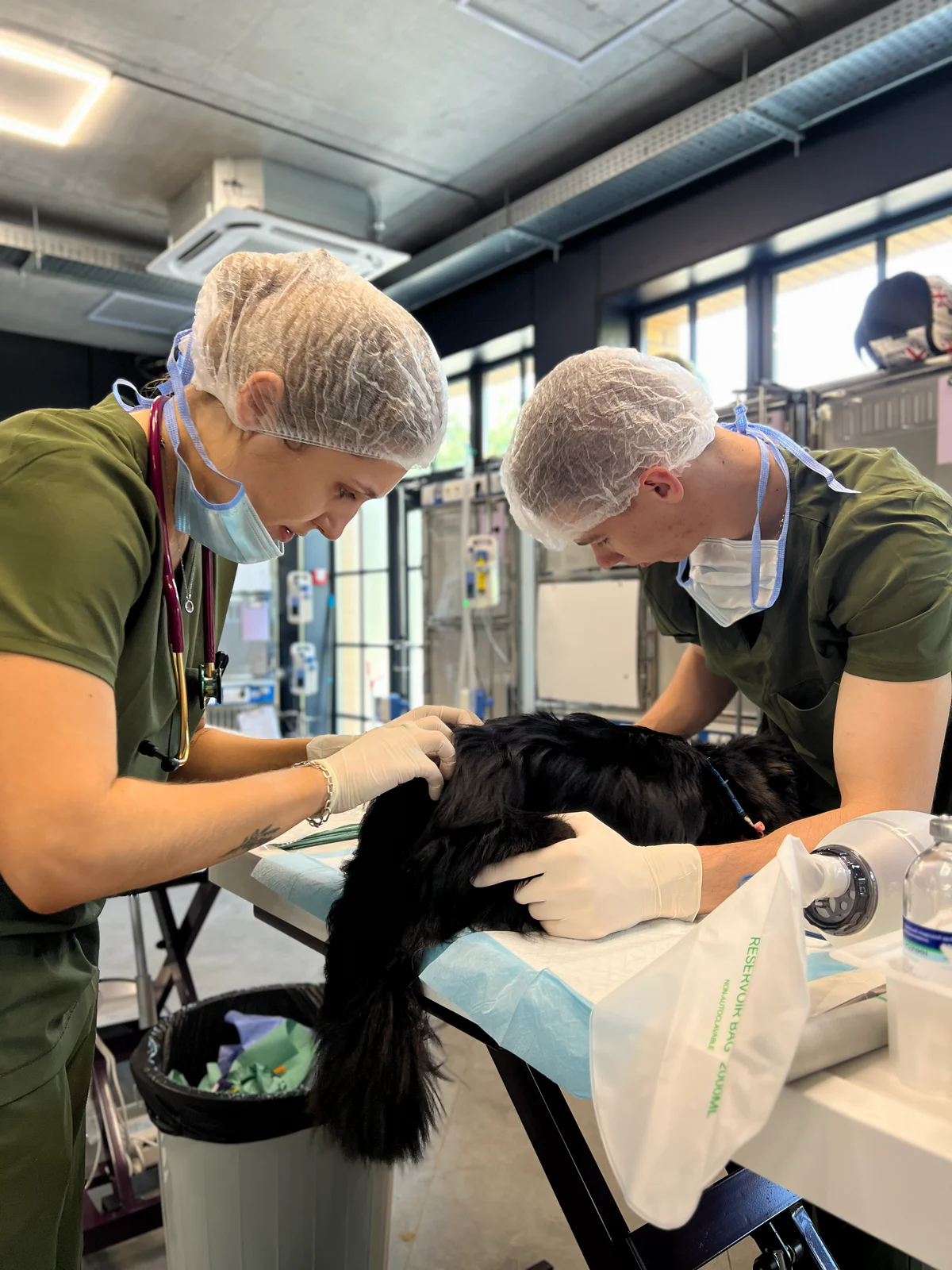
Intensive care for animals at Trinity in Kyiv: 24/7 monitoring, oxygen, infusions and support in critical conditions
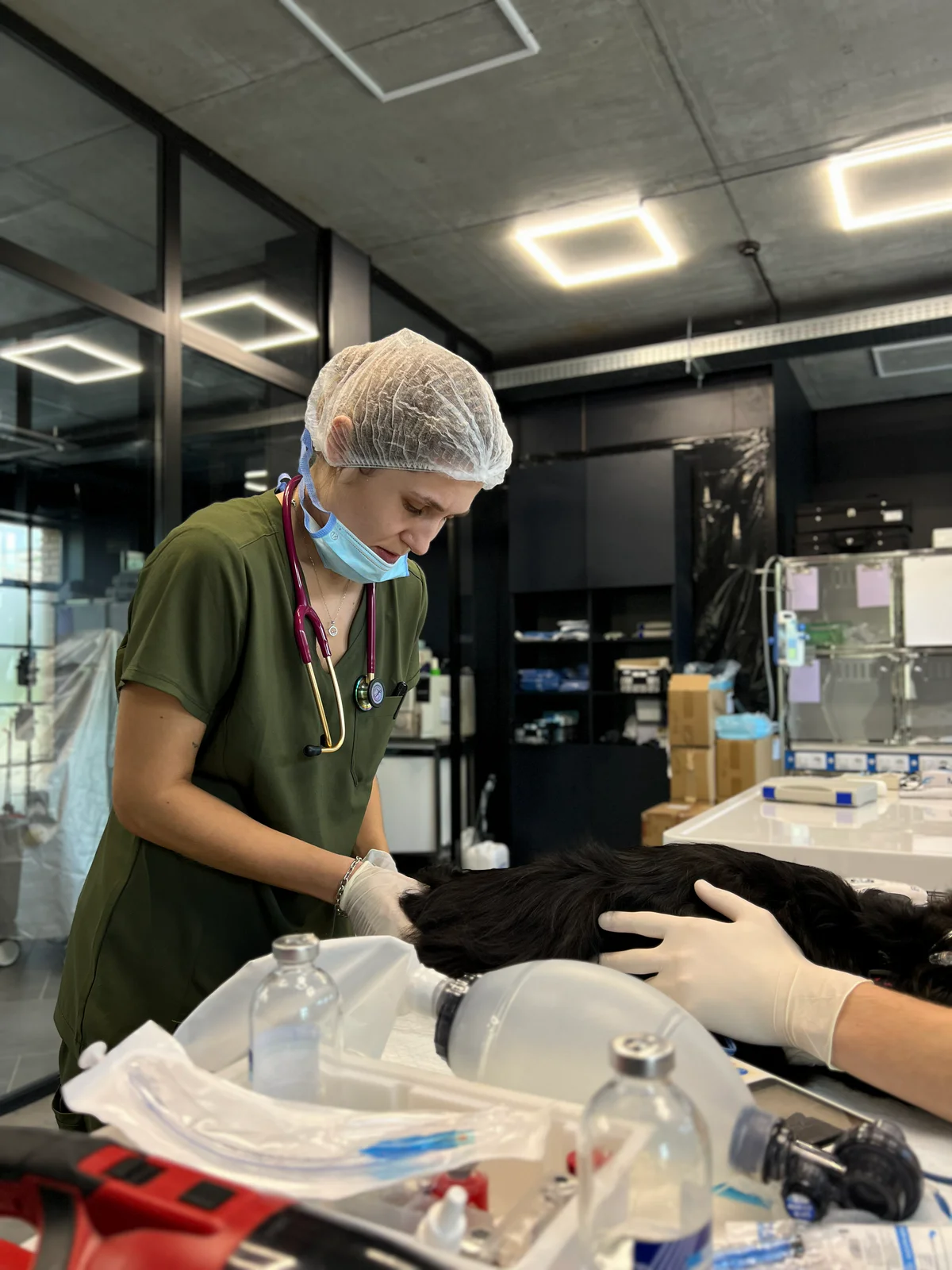
Intensive care for animals at Trinity in Kyiv: 24/7 monitoring, oxygen, infusions and support in critical conditions
What is done in the intensive care unit:
- monitoring of heart rate, breathing, temperature, blood pressure, saturation;
- oxygen therapy (oxygen boxes, nasal cannulas, mechanical ventilation);
- infusion therapy with control of electrolyte balance and acid-base status;
- parenteral nutrition and nutritional support;
- anesthesia and sedation according to modern protocols;
- laboratory express diagnostics (blood gases, hematology, biochemistry, coagulogram);
- intensive care for shock, intoxication, injuries, postoperative complications, acute renal and hepatic pathologies.
Our capabilities: boxes, video surveillance and stabilization plan
- constant presence of an anesthesiologist and a team on duty 24/7;
- isolated boxes for infectious or unstable patients;
- a video surveillance system and monitors that allow you to monitor the animal's condition in real time;
- an individual stabilization and care plan for each patient.
In what cases may an animal need intensive care:
- serious injuries, road accidents, blood loss, shock;
- serious surgeries or complications after them;
- acute respiratory failure or need for oxygen;
- severe infectious, metabolic or cardiovascular disorders;
- comatose or convulsive states.
We care not only about the stability of the patient's condition, but also about his return to a full life.
NEED A VETERINARY FOR YOUR PET?
Examination, diagnosis and treatment in one place

Veterinary anesthesiology: anesthesia, medical sleep and vital signs monitoring
In critical conditions veterinary anesthesiology is closely related to intensive care. It is here that it is important not only to give anesthesia or provide medical sleep, but also to constantly monitor the heart, breathing, oxygen saturation, blood pressure and the body's response to treatment.
When a patient is unstable, every decision matters. Therefore animal anesthesiologist-resuscitator works not alone, but as a team with hospital doctors to ensure that support is safe and the animal's condition is as controlled as possible.
Stay in the intensive care unit: what is included in the supervision and stabilization of the patient
For many owners, a stay in the intensive care unit sounds alarming. In fact, it is about constant monitoring and timely assistance: monitoring the animal's vital signs, pain assessment, breathing correction, infusions, laboratory control and rapid response to any changes.
In this mode, the patient is not left unattended either day or night. That is why stabilization of an animal in critical condition It does not occur episodically, but continuously, taking into account the entire clinical picture.
Daytime inpatient care for an animal: when intensive care is needed without overnight hospitalization
Daytime inpatient care is appropriate when the patient requires IVs, oxygen, repeat examinations, rapid laboratory diagnostics, or monitoring of the response to therapy for several hours. This is important after procedures, in case of intoxication, dehydration, or conditions where frequent monitoring of indicators is required.
This format allows you to avoid wasting time between consultations and at the same time avoid hospitalizing the animal longer than necessary. The doctor assesses the dynamics and decides whether the patient can be discharged home or whether it is better to continue observation.
Overnight stationary animal care: continuous observation 24/7
Overnight hospitalization is necessary when the condition remains unstable or there is a risk of a sharp deterioration. In such cases, it is important 24/7 animal hospital, constant presence of the team, monitoring of the animal's heart rate, breathing, temperature, saturation and timely correction of treatment.
For the owner, this means the most important thing: the pet is under supervision, even when the clinical condition changes during the night. This is how it works 24-hour animal hospital in situations where waiting until morning could be dangerous.
When intensive care is especially needed: shock, intoxication, respiratory failure and postoperative complications
Intensive care for animals is especially important in cases of shock, severe trauma, blood loss, acute intoxication, convulsions, and conditions where the body can no longer cope on its own. In such cases, oxygen therapy, infusion therapy for animals, rapid tests, electrolyte monitoring, and often - gradual stabilization of several systems simultaneously are required.
Postoperative complications in animals are particularly important. If the patient has difficulty waking up, has unstable breathing, severe pain, or other risks, routine postoperative monitoring may not be sufficient, and then intensive support is involved.
Patient comfort and safety: analgesia, sedation, oxygen and nutritional support
Even in critical conditions, it is important not only to save lives, but also to reduce suffering. That is why we provide pain relief for animals in the hospital, use modern sedation protocols, and, if necessary, connect respiratory support via oxygen boxes, cannulas, or mechanical ventilation.
When the body is exhausted, it is important to support it from the inside. This is done by parenteral nutrition and nutritional support of animals, as well as correction of fluids, electrolytes and acid-base balance. This helps not only to stabilize the condition, but also to give the body the resources to recover.
How to enroll in the Trinity Intensive Care Unit: organizational details and consultation
If your pet needs emergency care, the most important thing is not to delay. When contacting us, briefly describe the symptoms: injury, shortness of breath, blood loss, seizures, suspected poisoning, postoperative deterioration. This will help the team prepare faster and correctly orient you regarding further actions.
If you are interested in the cost of intensive care, the price of a hospital for animals, or how much intensive care costs, please check with the administrator for details. At the Trinity clinic in Kyiv, we explain organizational aspects calmly and clearly, but in a critical situation, the main thing is always to start providing assistance quickly.
READ MORE
Other branches

Do you need help?
Do you have questions or want to book your pet for an appointment?
Monday - Sunday: 24/7
Do you need help?
Do you have questions or want to book your pet for an appointment?
Monday - Sunday: 24/7
Cost and Services: Intensive Care Unit
Anesthesia
-
Anesthesia: up to 5 kg, 1st degree
4,200 UAH.
-
Anesthesia: up to 5 kg, 2nd degree
6,850 UAH.
-
Anesthesia: up to 10 kg, 1st degree
5,200 UAH.
-
Anesthesia: up to 10 kg, 2nd degree
7,400 UAH.
-
Anesthesia: up to 20 kg, 1st degree
5,650 UAH.
-
Anesthesia: up to 20 kg, 2nd degree
8,350 UAH.
-
Anesthesia: up to 30 kg, 1st degree
6,750 UAH.
-
Anesthesia: up to 30 kg, 2nd degree
9,050 UAH.
-
Anesthesia: up to 40 kg, 1st degree
7,600 UAH.
-
Anesthesia: up to 40 kg, 2nd degree
10,500 UAH.
-
Anesthesia: over 40 kg, 1st degree
7,950 UAH.
-
Anesthesia: over 40 kg, 2nd degree
10,450 UAH.
Medical sleep
-
Medical sleep: up to 10 kg
2,350 UAH.
-
Medical sleep: up to 20 kg
2,900 UAH.
-
Medical sleep: up to 30 kg
3,450 UAH.
-
Medical sleep: up to 40 kg
4,000 UAH.
-
Medical sleep: over 40 kg
4,450 UAH.
Hospital
-
Daily stationary maintenance of an animal weighing up to 10 kg
1,200 UAH.
-
Overnight stationary keeping of an animal weighing up to 10 kg
1,500 UAH.
-
Daily stationary maintenance of an animal weighing up to 20 kg
1,500 UAH.
-
Overnight stationary keeping of an animal weighing up to 20 kg
1,800 UAH.
-
Daily stationary maintenance of an animal weighing up to 30 kg
1,700 UAH.
-
Overnight stationary keeping of an animal weighing up to 30 kg
2,000 UAH.
-
Daily stationary maintenance of an animal weighing over 30 kg
2,000 UAH.
-
Overnight stationary maintenance of an animal weighing over 30 kg
2,300 UAH.
Stay
-
Stay in the intensive care unit: 1st degree, animal up to 10 kg (up to 12 hours)
3,200 UAH.
-
Stay in the intensive care unit: 2nd degree, animal up to 10 kg (up to 12 hours)
4,700 UAH.
-
Stay in the intensive care unit: 1st degree, animal up to 20 kg (up to 12 hours)
4,200 UAH.
-
Stay in the intensive care unit: 2nd degree, animal up to 20 kg (up to 12 hours)
5,700 UAH.
-
Stay in the intensive care unit: 1st degree, animal up to 40 kg (up to 12 hours)
5,200 UAH.
-
Stay in the intensive care unit: 2nd degree, animal up to 40 kg (up to 12 hours)
6,700 UAH.
-
Stay in the intensive care unit: 1st degree, animal over 40 kg (up to 12 hours)
6,200 UAH.
-
Stay in the intensive care unit: 2nd degree, animal over 40 kg (up to 12 hours)
7,700 UAH.
Anesthesia
-
Anesthesia: up to 5 kg, 1st degree
4,200 UAH.
-
Anesthesia: up to 5 kg, 2nd degree
6,850 UAH.
-
Anesthesia: up to 10 kg, 1st degree
5,200 UAH.
-
Anesthesia: up to 10 kg, 2nd degree
7,400 UAH.
-
Anesthesia: up to 20 kg, 1st degree
5,650 UAH.
-
Anesthesia: up to 20 kg, 2nd degree
8,350 UAH.
-
Anesthesia: up to 30 kg, 1st degree
6,750 UAH.
-
Anesthesia: up to 30 kg, 2nd degree
9,050 UAH.
-
Anesthesia: up to 40 kg, 1st degree
7,600 UAH.
-
Anesthesia: up to 40 kg, 2nd degree
10,500 UAH.
-
Anesthesia: over 40 kg, 1st degree
7,950 UAH.
-
Anesthesia: over 40 kg, 2nd degree
10,450 UAH.
Medical sleep
-
Medical sleep: up to 10 kg
2,350 UAH.
-
Medical sleep: up to 20 kg
2,900 UAH.
-
Medical sleep: up to 30 kg
3,450 UAH.
-
Medical sleep: up to 40 kg
4,000 UAH.
-
Medical sleep: over 40 kg
4,450 UAH.
Hospital
-
Daily stationary maintenance of an animal weighing up to 10 kg
1,200 UAH.
-
Overnight stationary keeping of an animal weighing up to 10 kg
1,500 UAH.
-
Daily stationary maintenance of an animal weighing up to 20 kg
1,500 UAH.
-
Overnight stationary keeping of an animal weighing up to 20 kg
1,800 UAH.
-
Daily stationary maintenance of an animal weighing up to 30 kg
1,700 UAH.
-
Overnight stationary keeping of an animal weighing up to 30 kg
2,000 UAH.
-
Daily stationary maintenance of an animal weighing over 30 kg
2,000 UAH.
-
Overnight stationary maintenance of an animal weighing over 30 kg
2,300 UAH.
Stay
-
Stay in the intensive care unit: 1st degree, animal up to 10 kg (up to 12 hours)
3,200 UAH.
-
Stay in the intensive care unit: 2nd degree, animal up to 10 kg (up to 12 hours)
4,700 UAH.
-
Stay in the intensive care unit: 1st degree, animal up to 20 kg (up to 12 hours)
4,200 UAH.
-
Stay in the intensive care unit: 2nd degree, animal up to 20 kg (up to 12 hours)
5,700 UAH.
-
Stay in the intensive care unit: 1st degree, animal up to 40 kg (up to 12 hours)
5,200 UAH.
-
Stay in the intensive care unit: 2nd degree, animal up to 40 kg (up to 12 hours)
6,700 UAH.
-
Stay in the intensive care unit: 1st degree, animal over 40 kg (up to 12 hours)
6,200 UAH.
-
Stay in the intensive care unit: 2nd degree, animal over 40 kg (up to 12 hours)
7,700 UAH.
YOUR PET DESERVES THE BEST CARE
Entrust the health of your ponytail to professionals