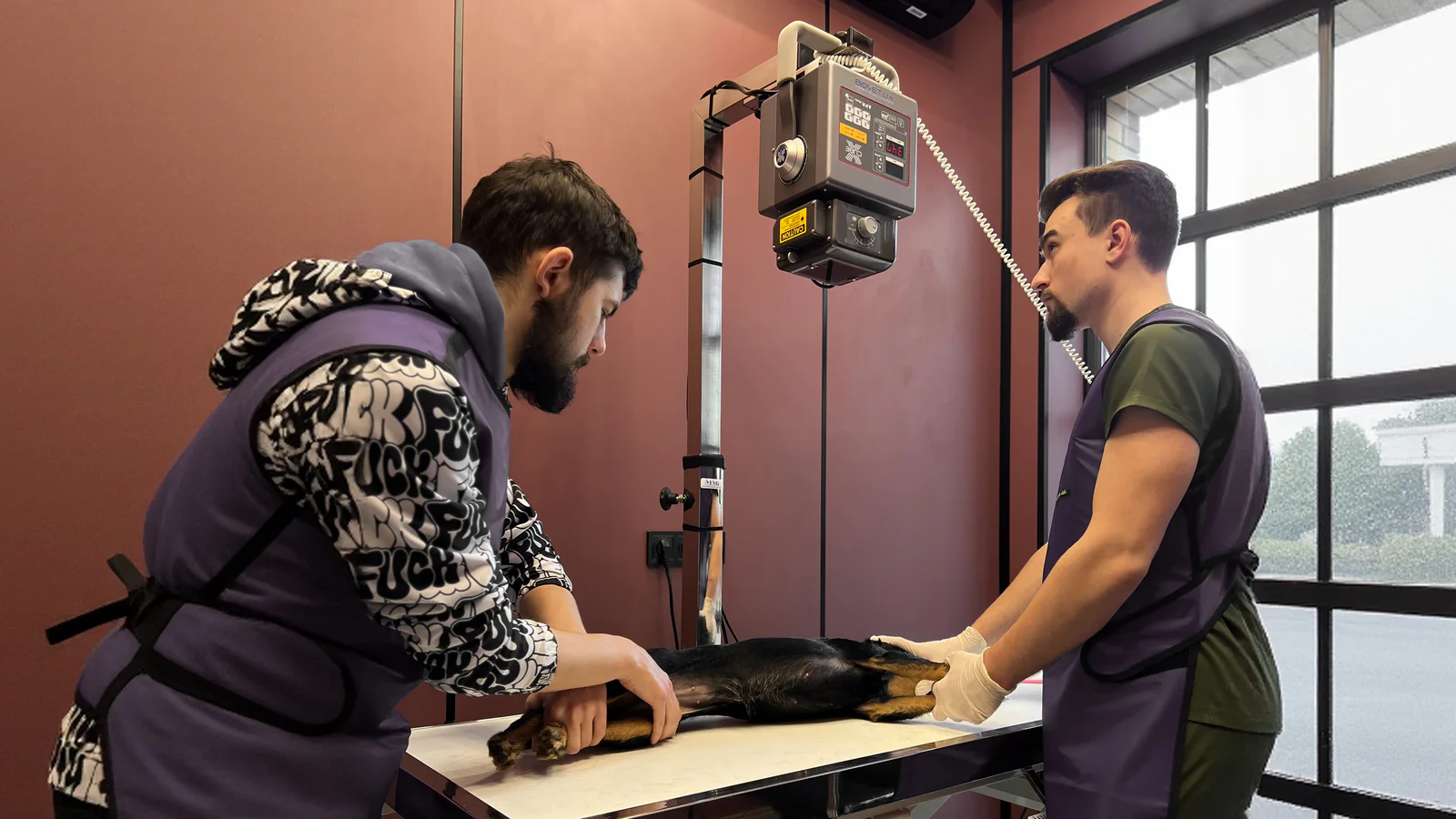
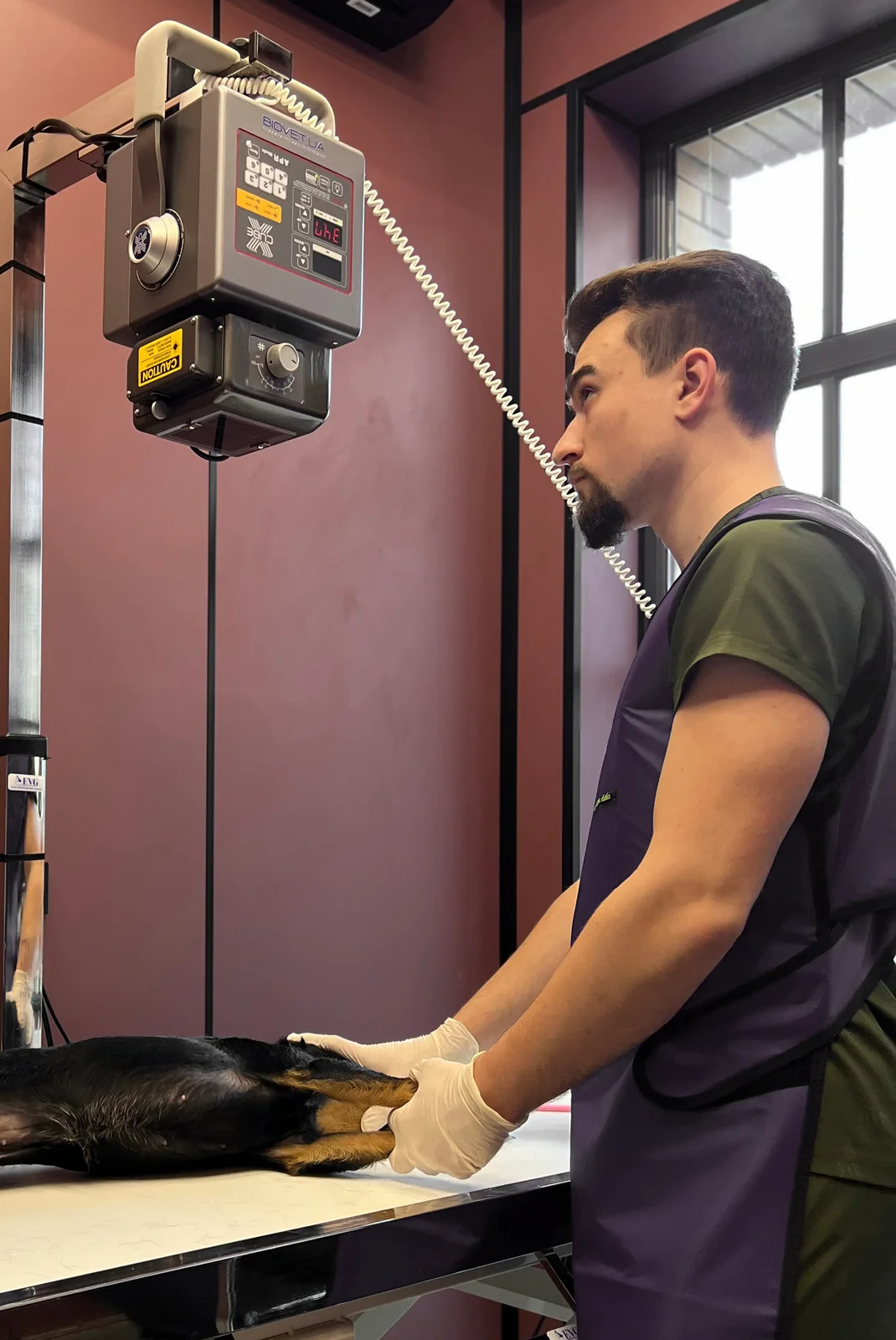
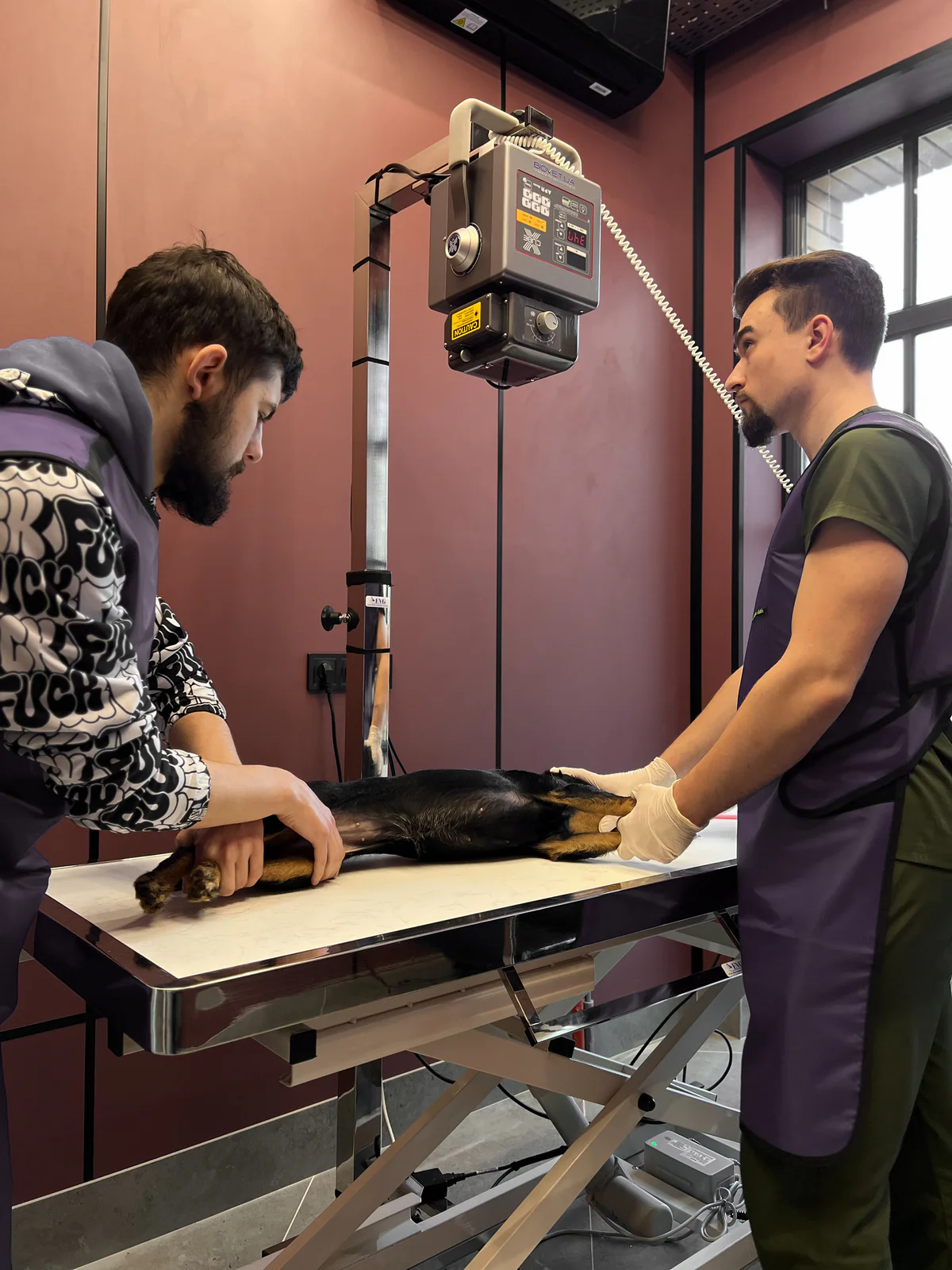
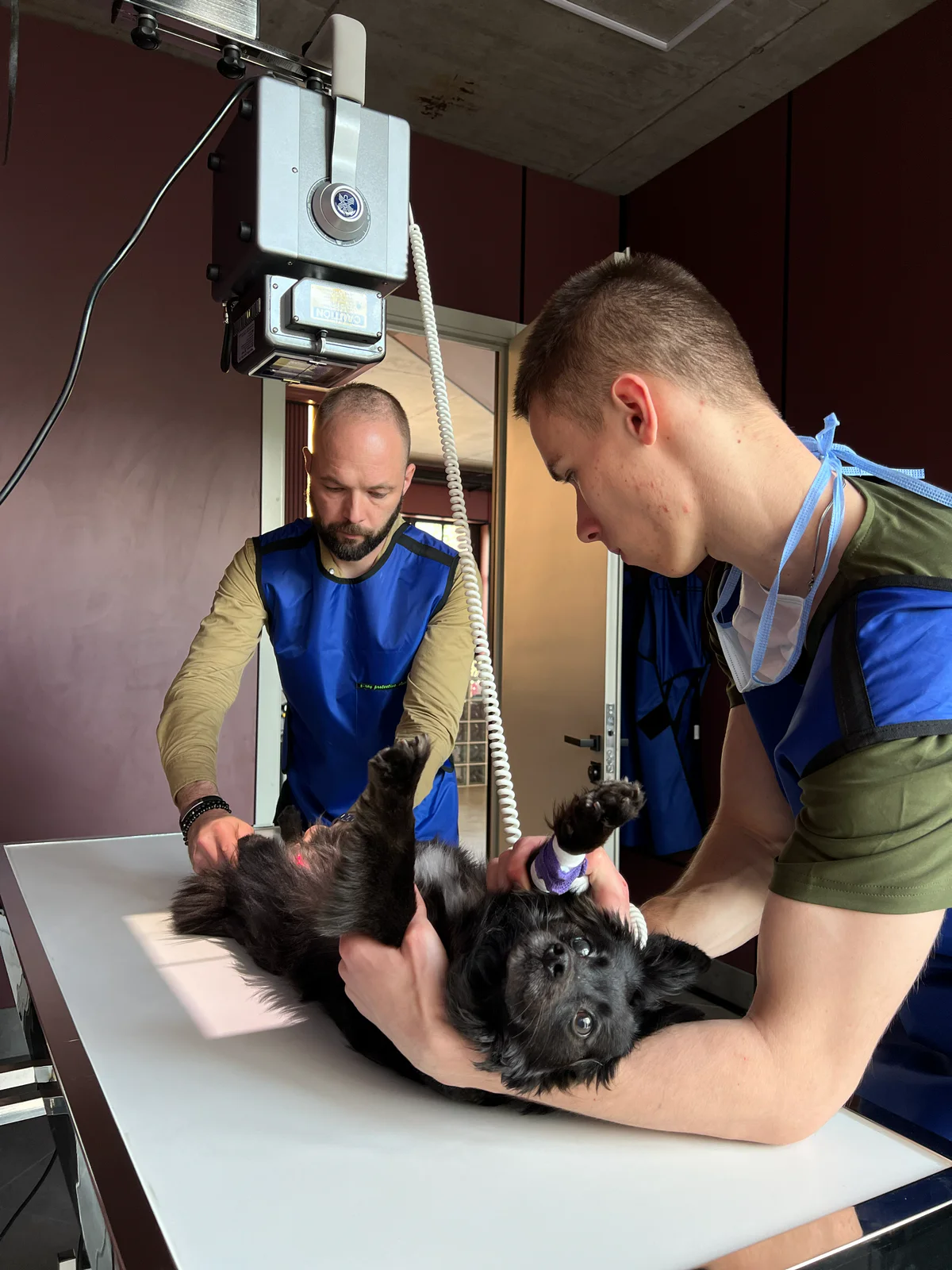
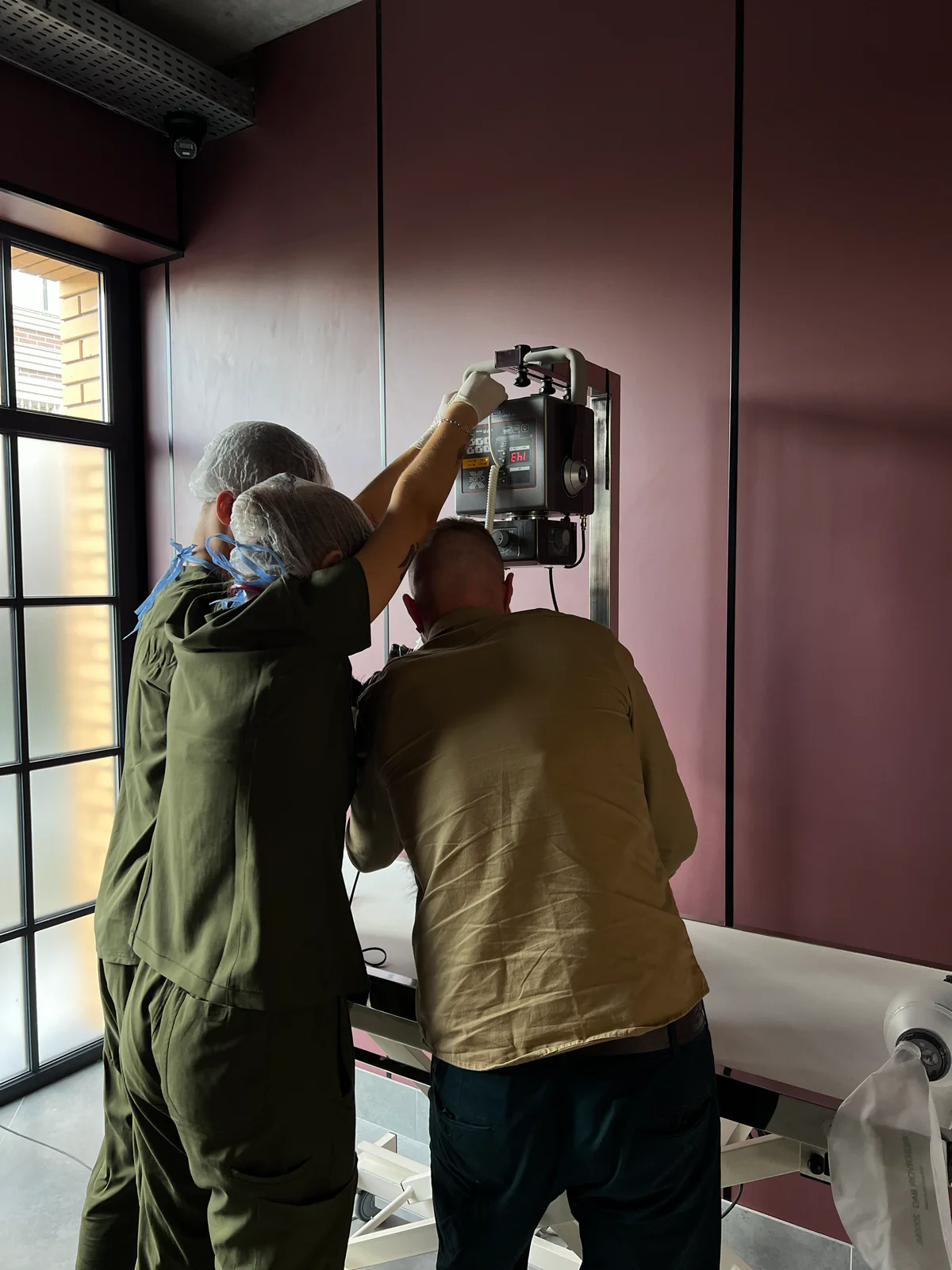
What areas are most often examined: bones, chest, abdominal cavity
Most often, X-rays for animals are prescribed to evaluate the skeletal system. This may be an X-ray of the animal's bones, the paws of a dog or cat, or an examination of the joints, spine, or specific areas after a fall or impact. In such cases, the doctor looks for fractures, dislocations, cracks, dislocations, and other injuries that affect movement and pain.
Equally important is animal chest x-ray. It is performed when there is a cough, shortness of breath, suspected lung changes, or chest pain. If the symptoms are related to the gastrointestinal tract, it may be necessary X-ray of the animal's abdominal cavity, to assess the intestines, stomach, the presence of gas, foreign objects or other pathologies. This is how the diagnosis of the internal organs of animals becomes more accurate and faster.
When X-rays are especially important: emergencies, foreign objects, oncopidosis
In urgent situations, an X-ray can save you time. If your pet has fallen, been hit, suddenly started limping, or is refusing to let you touch a certain part of its body, the doctor can immediately recommend X-ray diagnostics injuries in animals. This allows you to quickly understand whether there is a fracture, dislocation or other injury that requires immediate treatment.
Another important scenario is suspected ingestion of a foreign object. In such cases X-ray of a foreign object in the animal's stomach helps determine further tactics. X-rays are also used when a tumor is suspected in an animal or metastases, when a quick visual assessment and decision on additional examinations are required.
When an X-ray is needed during treatment and before surgery
X-rays are needed not only for the initial diagnosis. Often, they show how the situation is changing over time. A control X-ray allows the animal to assess the fusion of bones, the position of structures after surgery, the dynamics of inflammation, or the body's response to therapy. One picture answers the question "what is there now," and a series of pictures shows whether the chosen tactics are working.
Of particular importance is X-ray before surgery on an animal. Before intervention, the doctor must clearly understand the clinical picture in order to plan a safe and accurate route. In such cases, X-rays to monitor the animal's treatment and preoperative assessment become not additional, but truly necessary steps.
Advantages of X-ray diagnostics at the Trinity Veterinary Hospital in Kyiv
At Trinity Clinic in Kyiv, animal X-rays are combined with the experience of a doctor who evaluates not only the image itself, but the entire clinical picture. This is important, because even a high-quality image is only meaningful when it is correctly interpreted in the context of symptoms, examination and other examinations. That is why accurate x-ray for animals – it's not just a device, but also teamwork.
Another advantage is speed. Modern digital x-ray for animals allows you to get a picture almost immediately, and digital x-ray processing helps to see details better. At the same time, the results are stored in an electronic system, so the doctor can return to them at any time and compare the dynamics of treatment without losing information.
How to book an X-ray appointment at Trinity: organizational details and consultation
To schedule an X-ray for your pet, simply contact the administrator and briefly describe the reason for your visit. This could be an injury, cough, pain, suspected foreign object, treatment monitoring, or preoperative preparation. This description helps you quickly understand what type of examination is needed: an X-ray of the pet's chest, bones, abdomen, or other area.
If you are interested cost of x-rays for animals or How much does X-ray diagnostics cost?, please check with the administrator for details. We will explain how the appointment is made, whether preparation is required, and how to organize the visit so that the veterinary X-ray at Trinity is as clear, calm, and useful as possible for your pet.