For the owner, there is a simple rule: any drastic change in the eye is a reason not to experiment with medications. Self-medication can «blur» the picture and complicate diagnosis.
Contraindications and restrictions: when it is better to postpone procedures
We postpone certain procedures if the animal's general condition is unstable: high fever, severe dehydration, severe weakness. In such situations, it is important to stabilize the patient first, and only then perform advanced tests or planned interventions.
If surgery is planned, the doctor assesses the risks in advance, explains the preparation, and selects tactics to reduce stress and make the treatment safe.
Preparation for admission to the Trinity clinic in Kyiv
To ensure a productive appointment, remember when the symptoms appeared, whether there were any injuries, what drops were used previously. If you have a photo of the eye in the first few days, it can also help the doctor.
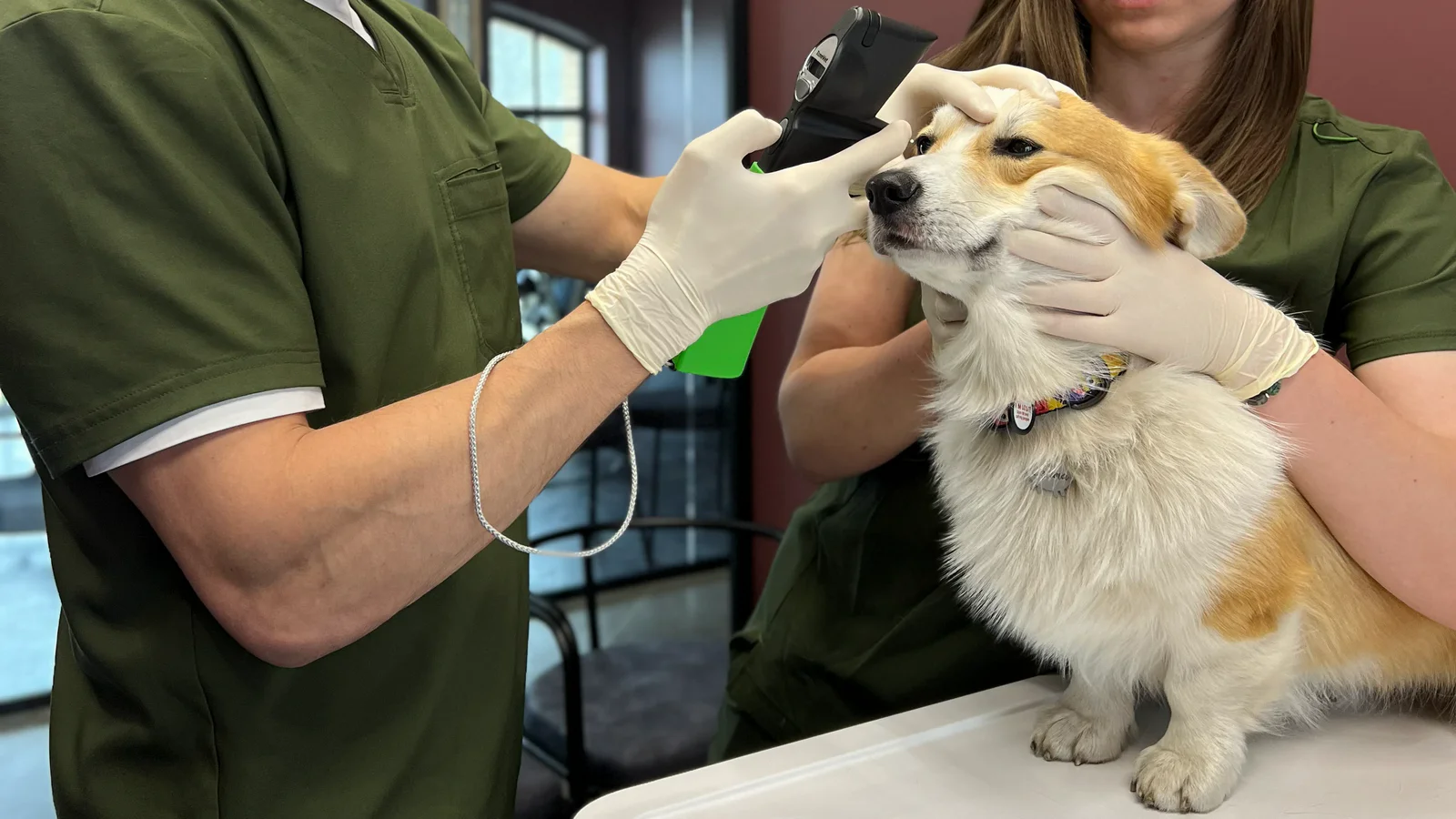
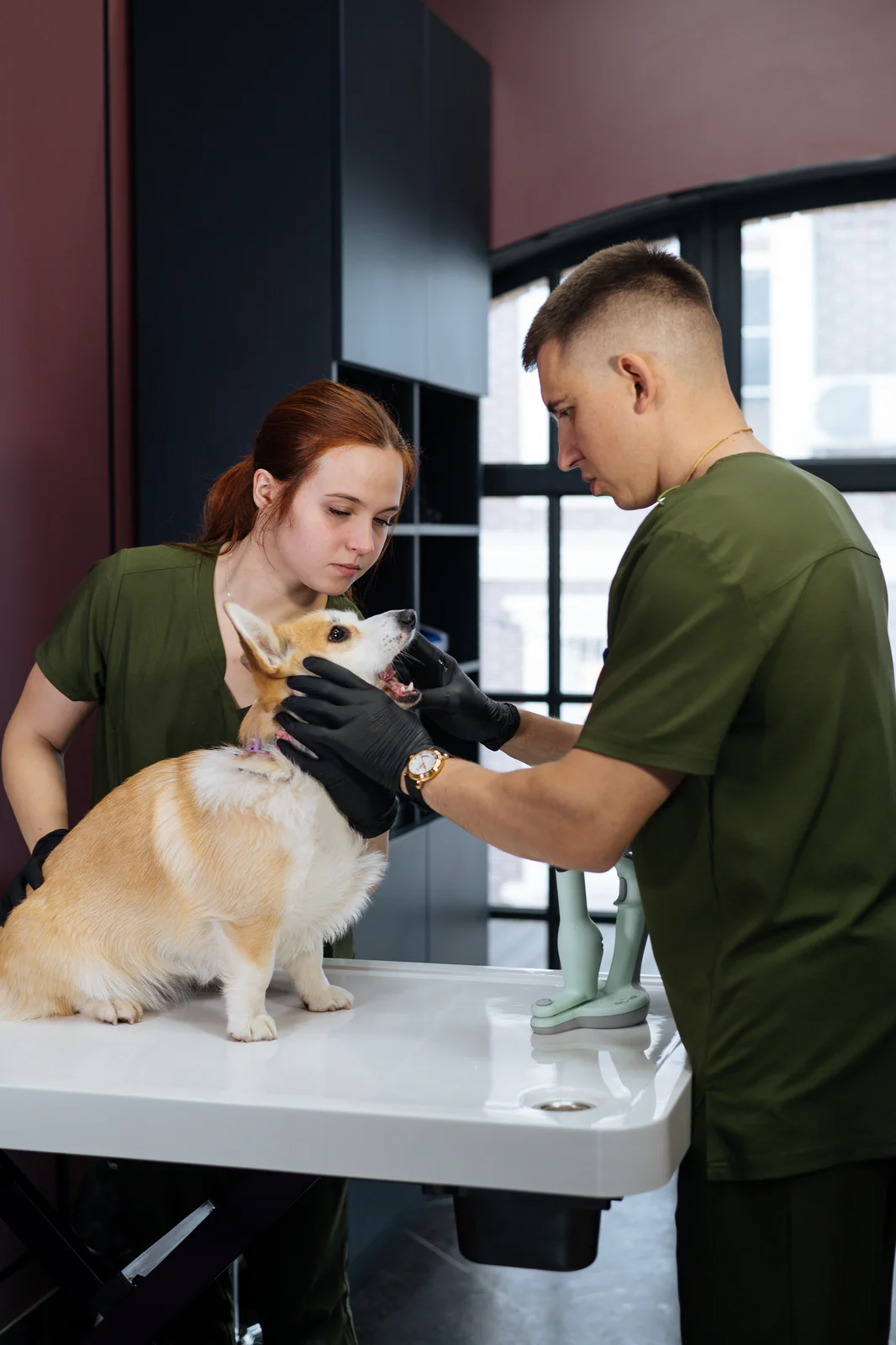
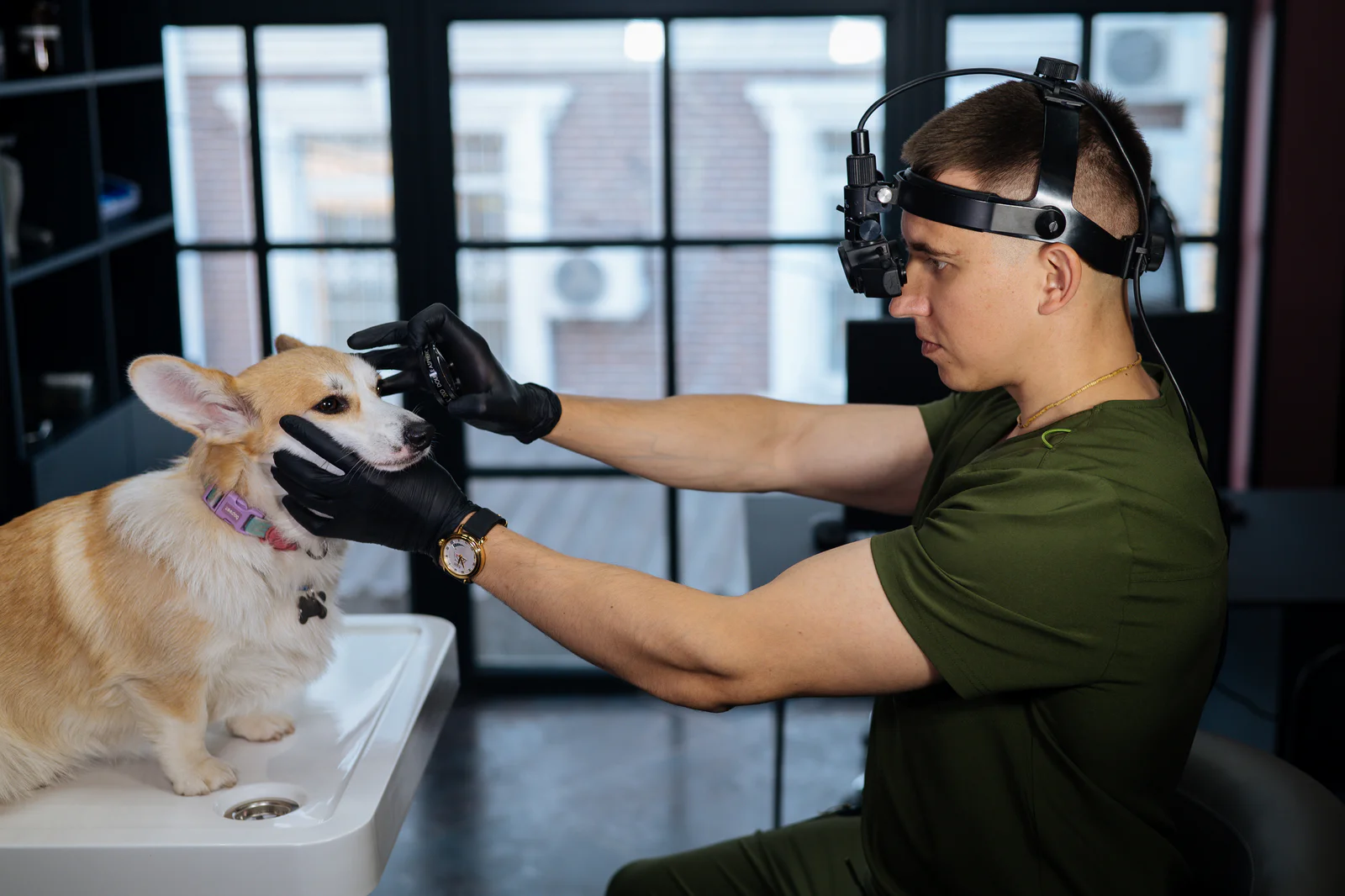
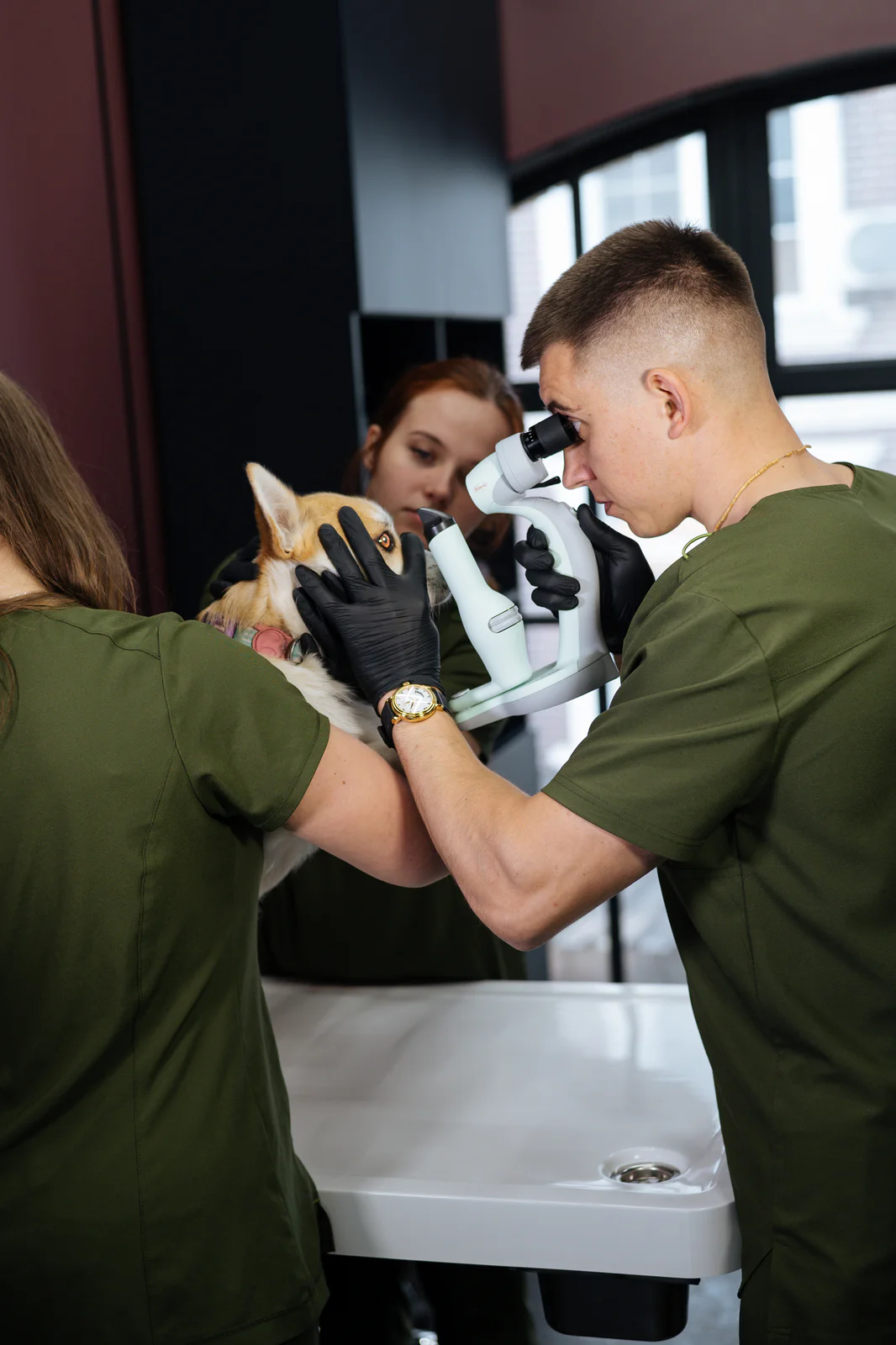
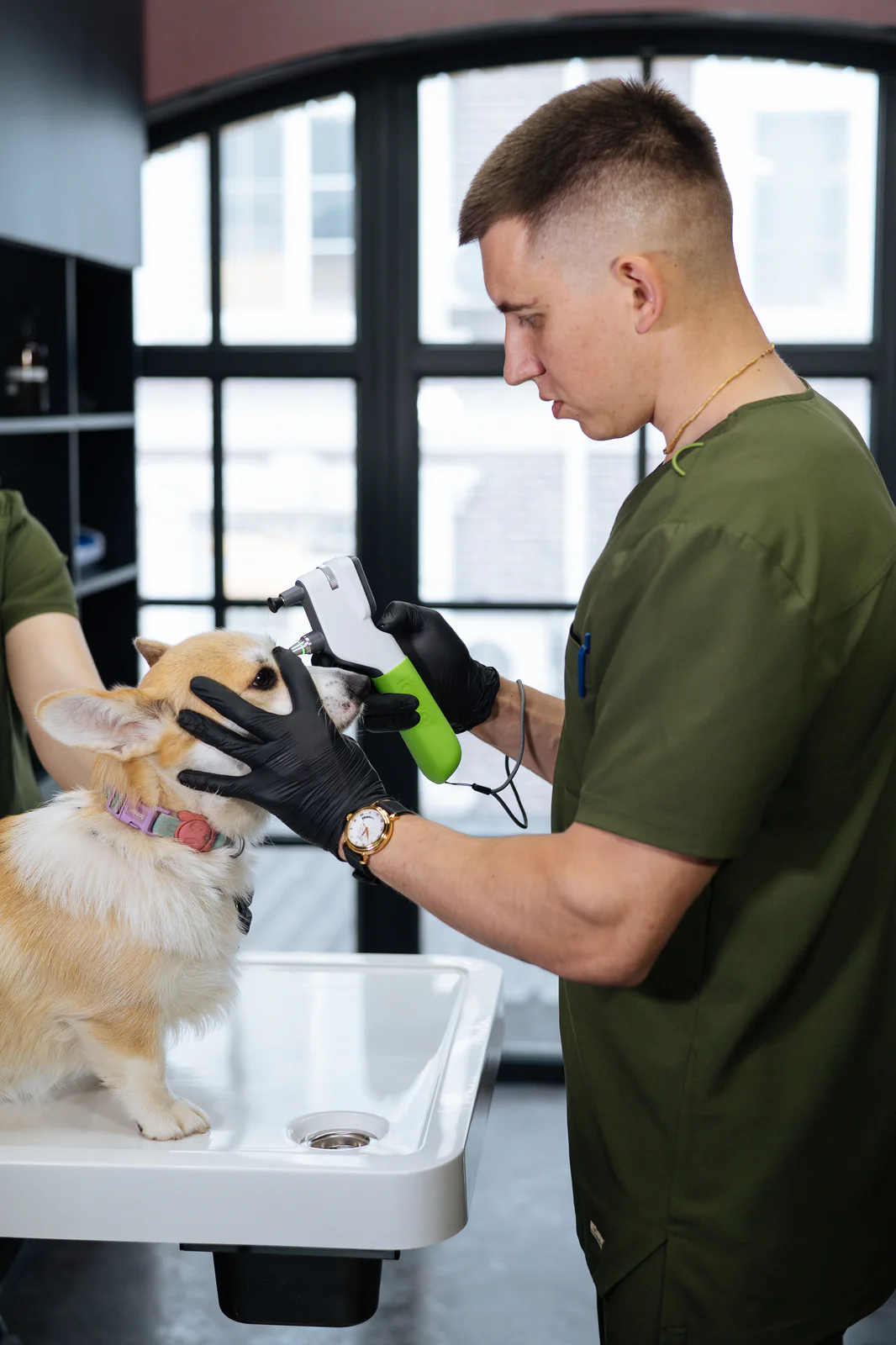
During the examination, we explain each step: why an animal's eye pressure needs to be measured, when a tear production test is appropriate, how a corneal test works. Appointments with an ophthalmologist for animals are available in Kyiv at the Trinity Veterinary Hospital.
Eye pressure, glaucoma and tonometry: why early control is important
Increased pressure can be accompanied by pain and rapid deterioration of vision. Therefore, tonometry for animals is not a formality, but a way to notice the risk in time when there is a suspicion of increased intraocular pressure. If the diagnosis is confirmed, we draw up a control scheme, select treatment and a plan for repeated examinations. The owner always understands what and why we are doing, without unnecessary fears.
Eye injury and foreign body: what to do before the visit
In case of injury, it is important not to rub the eye, not to wash with aggressive solutions and not to try to remove the foreign object yourself. It is better to limit the animal's movements and seek emergency help for eye injury as soon as possible. At the clinic, the doctor conducts an examination, checks the cornea, assesses the pressure and determines whether drops, a protective collar or a procedure for removing the foreign body are needed. Check with the administrator for details.
Home care after eye treatment: drops, hygiene, monitoring
After the appointments, discipline is important: adhere to the frequency of instillations and do not interrupt the course prematurely. If the animal scratches the eye, a collar is needed - this makes it easier to avoid re-injury.
We always agree on a schedule of follow-up examinations to assess the dynamics, especially in cases of dry eye, keratitis or corneal ulcers. For registration and organizational issues - please check with the administrator for details.
How to make an appointment: what to ask the administrator and what documents to take
To make an appointment with an ophthalmologist for animals, simply call or leave a request. The administrator will tell you the nearest windows, the approximate duration of the visit, and how to prepare your pet for the examination. If the symptoms are acute – for example, an eye injury or a suspicion of a foreign body – be sure to tell the team immediately so that they can determine the urgency. Check with the administrator for details.
Before the visit, you should prepare information that will help the doctor understand the situation more quickly: when the symptoms began, whether there were any injuries, what medications have already been used, whether there are allergies, concomitant diseases. If you have already been examined, take the results of tests and discharge from other clinics, previous appointments, a photo of the eye in dynamics. For some animals, it is useful to have a veterinary passport and vaccination data, especially if procedures or sedation are planned.
It is best to bring a cat carrier or a short leash for dogs, a favorite litter box or towel, and treats to reduce stress. After the examination, the admin team will tell you how to get a treatment plan, when to come for follow-ups, and what to do if symptoms change.